
How to sell on instagram using 6 storytelling approach
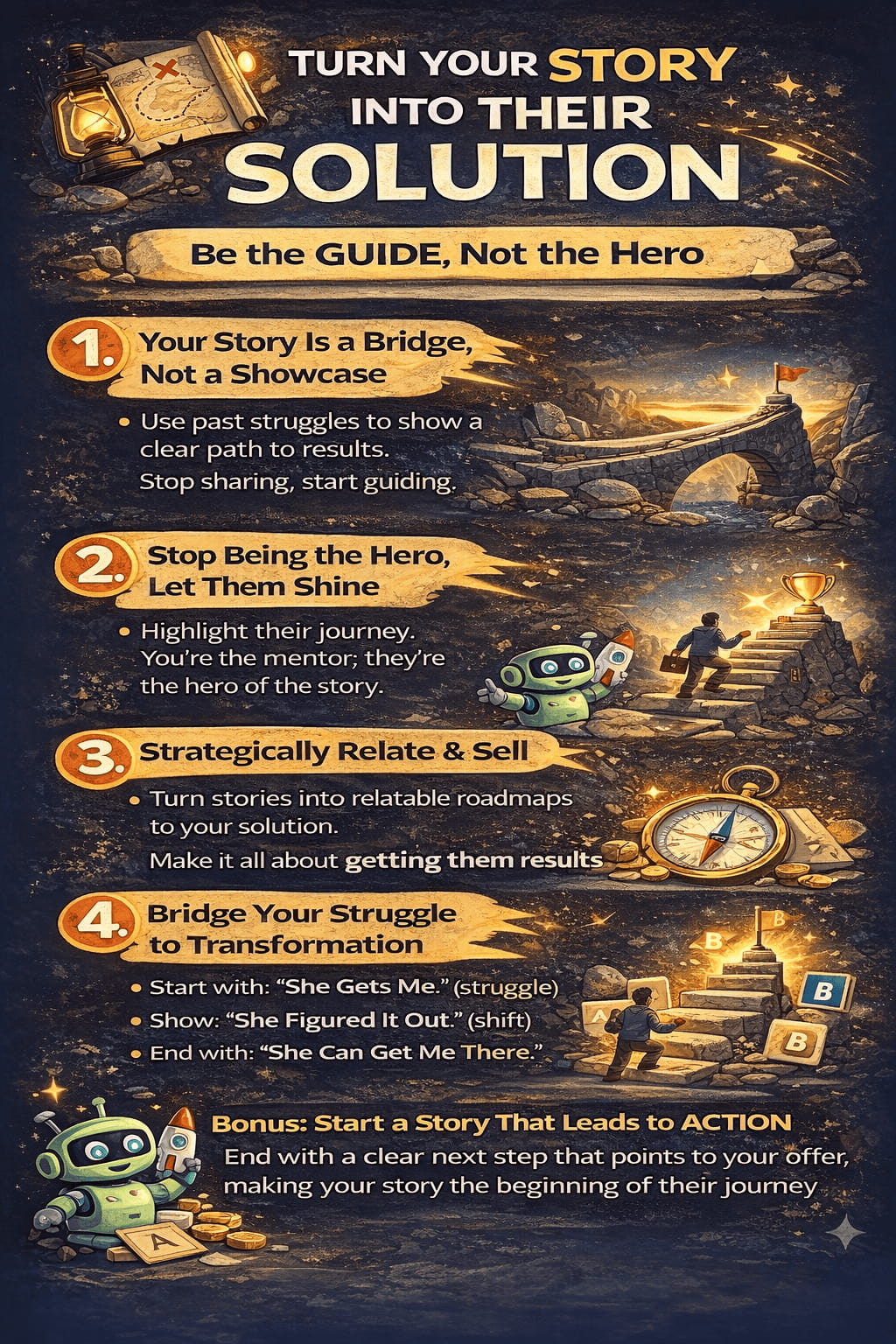
Shift the spotlight: Your story isn't about your past achievements, it's about the customer's transformation. Focus on their results.
Aravindh
Dec 29, 2025


Quick Summary:
Look, your story isn't the product ,it's just the map. Stop trying to be the hero; you're the guide who's already been through the jungle. The goal is to make your audience say, "If she did it, I definitely can." You build trust by showing the struggle, the shift, and then the solution. Every single story you share must move them closer to buying. Period.
1. The Core Message: Your Story is a Bridge, Not a Showcase
Forget the fancy words. The bottom line is this: You are trying to sell a result.
When you get up there and tell your life story, you're not doing it for therapy or a pat on the back. You're doing it because you need to move a potential client from Point A (where they're miserable and stuck) to Point B (where they are successful and happy, thanks to you).
Your past is the bridge. It spans that painful gap.
Most people treat their story like a cool, custom-built motorcycle, they just want people to admire it. But your audience doesn't care about your motorcycle; they care about crossing the canyon. Your story's sole job is to prove, "Hey, I crossed this canyon. I know the way. And my product/service is the vehicle that gets you across quickly and safely."
If your story doesn't serve their future, it's irrelevant noise.
2. The Storytelling Mistake: Why You Need to Shut Up About Being The Hero
I see this constantly, and it kills conversions: The Hero Trap.
You think being vulnerable means dumping every personal detail and making yourself the star. Wrong. That’s just oversharing, and it burns people out.
Strategic storytelling is NOT:
Narcissism: Talking endlessly about your journey just because you think it’s interesting. (It probably isn't, unless it relates to them.)
Showboating: Only posting the glossy, "look how successful I am now" part. That just makes people feel insecure, not inspired.
Ego-Vulnerability: Sharing deep trauma without tying it to a specific solution. It's confusing and manipulative.
The Big Mistake: Positioning yourself as the savior they need.
When you're the hero, the client is just a sidekick waiting to be rescued. But in real life, the client is the hero. You are the Yoda, the Gandalf, the guide. You've got the wisdom, the scar tissue, and the map because you’ve already won. Your job is to hand them the tools and cheer them on. End of story.
3. The Strategic Shift: Go From "Random" to "Relatable Roadmap"
Let's simplify the intention behind your content. It’s either random, or it’s strategic.
Random Storytelling (The Fluff): "Here's what I ate for lunch today because I'm a human, LOL!"
Who is this for? You.
What does it do? Nothing, maybe a like.
Strategic Storytelling (The Money Maker): "I used to feel guilty ordering takeout (that’s my old struggle). But then I realized I was trading an hour of guilt for 10 hours of focused work (that’s the shift), which is exactly what my time management system teaches (that’s the solution)."
Who is this for? Them.
What does it do? Builds a trust bridge and pre-sells your offer.
The switch is simple: Every story has to answer the question, "How does this help you, the reader?" If you can't tie it back to their growth, skip it.
4. The 3 Bridge Building Blocks: Building Trust Brick by Brick
You can't just throw up a bridge and expect people to walk across. You need to earn their trust with three specific connection points. Hit these, and the sale becomes easy.
"She Gets Me." (The Struggle): Start by describing the messy middle, the frustration, the specific belief that held you back. Make them nod their head and think, "Damn, that's exactly how I feel right now." This is empathy in action.
"She Figured It Out." (The Shift): Tell them what changed! Was it a new process, a mindset flip, or a specific tool? This is the lightbulb moment that provides hope. It proves that what seems insurmountable is actually solvable.
"She Can Get Me There." (The Solution): This is the logical conclusion. The process you perfected to achieve your "shift" is now your offer. Your personal victory is now their packaged roadmap. You're not selling a theory; you're selling a proven escape route.
5. The Power of Transformation: Your Story Serves THEM
When you nail this, your story stops feeling like a diary entry and starts feeling like an instruction manual for the client's success. It’s powerful stuff.
Your past Struggles are now the reason they have Hope.
Your past Failures are now their Permission to try (and fail safely).
Your hard-won Breakthroughs are now their immediate Possibility.
Your Journey becomes their Roadmap to their own win.
You’re not talking about yourself anymore. You're talking about their potential. That’s the magic. If you’re not using your story to propel them forward, you’re just wasting their time (and yours).
6. The Takeaway: Stop Telling a Story, Start Driving Action
A perfect story that ends in silence is a failed marketing piece. The story is the appetizer; the action is the main course.
Before you post, check if your story points to:
The Limiting Belief they need to smash.
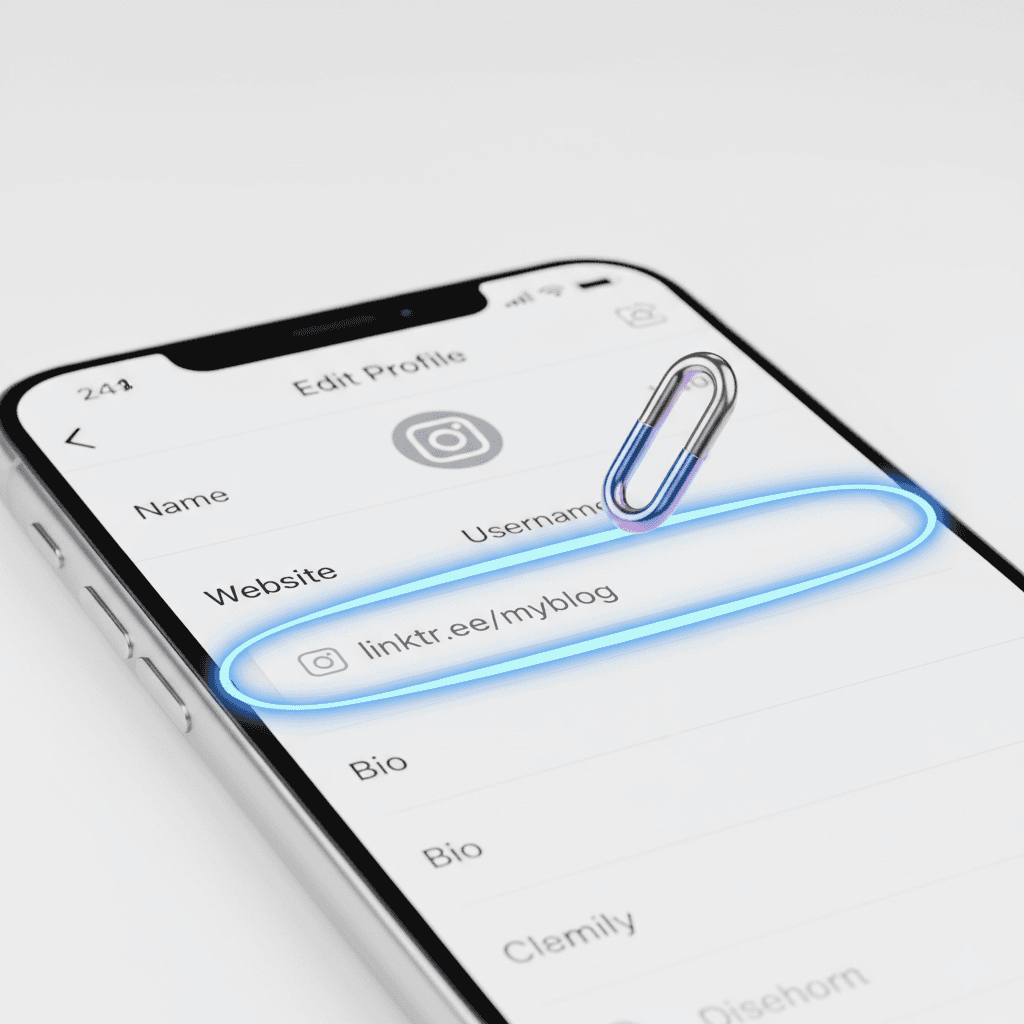
The Next Action they should take immediately (e.g., read the caption, check the link).
The Specific Solution (your product/service) that ties it all together.
Your story should make them feel like they just got a breakthrough, and now they are ready to move. If they finish reading and aren't motivated to take a step toward your offer, you need to tighten up the connection.
Conclusion:
Listen, the goal isn't to be a perfect writer; it's to be a perfect guide. Be honest about the struggle you faced, be clear about the solution you found, and be generous with the transformation you now offer. Ditch the ego, embrace the map-maker role, and watch your connection points, and your sales explode. You've got this.
People also ask :
If I stop being the "hero" in my story, won't I lose credibility? Doesn't the audience need to see my success?
Credibility is not derived from being the protagonist; it's derived from being the architect of the client's success. Your past achievement is merely data validating your current system. The primary function of your narrative is to define and facilitate the client's transformation arc. Stop presenting a memoir; start presenting a proven methodology.
How do I know if I'm "oversharing" random details instead of building a strategic connection?
You overshare when the personal detail lacks structural utility. Every piece of shared history must resolve a current or anticipated customer objection, or directly illustrate a core teaching of your product. If the anecdote doesn't serve as a scalable reference point for the solution, it's inefficient communication. Assess the return on vulnerability - if it doesn't lead to higher conversions, cut it.
I keep telling my story, but people just say "that's inspiring" and don't buy. What am I missing?
You are missing the actionable bridge. "Inspiring" is a feeling, not a trigger. You must immediately convert the emotional impact of your story into a logical call to action that addresses their immediate point of pain. Use your breakthrough moment to establish the necessity of your specific solution, positioning the purchase as the single, rational next step to bypass their current struggle.
Quick Summary:
Look, your story isn't the product ,it's just the map. Stop trying to be the hero; you're the guide who's already been through the jungle. The goal is to make your audience say, "If she did it, I definitely can." You build trust by showing the struggle, the shift, and then the solution. Every single story you share must move them closer to buying. Period.
1. The Core Message: Your Story is a Bridge, Not a Showcase
Forget the fancy words. The bottom line is this: You are trying to sell a result.
When you get up there and tell your life story, you're not doing it for therapy or a pat on the back. You're doing it because you need to move a potential client from Point A (where they're miserable and stuck) to Point B (where they are successful and happy, thanks to you).
Your past is the bridge. It spans that painful gap.
Most people treat their story like a cool, custom-built motorcycle, they just want people to admire it. But your audience doesn't care about your motorcycle; they care about crossing the canyon. Your story's sole job is to prove, "Hey, I crossed this canyon. I know the way. And my product/service is the vehicle that gets you across quickly and safely."
If your story doesn't serve their future, it's irrelevant noise.
2. The Storytelling Mistake: Why You Need to Shut Up About Being The Hero
I see this constantly, and it kills conversions: The Hero Trap.
You think being vulnerable means dumping every personal detail and making yourself the star. Wrong. That’s just oversharing, and it burns people out.
Strategic storytelling is NOT:
Narcissism: Talking endlessly about your journey just because you think it’s interesting. (It probably isn't, unless it relates to them.)
Showboating: Only posting the glossy, "look how successful I am now" part. That just makes people feel insecure, not inspired.
Ego-Vulnerability: Sharing deep trauma without tying it to a specific solution. It's confusing and manipulative.
The Big Mistake: Positioning yourself as the savior they need.
When you're the hero, the client is just a sidekick waiting to be rescued. But in real life, the client is the hero. You are the Yoda, the Gandalf, the guide. You've got the wisdom, the scar tissue, and the map because you’ve already won. Your job is to hand them the tools and cheer them on. End of story.
3. The Strategic Shift: Go From "Random" to "Relatable Roadmap"
Let's simplify the intention behind your content. It’s either random, or it’s strategic.
Random Storytelling (The Fluff): "Here's what I ate for lunch today because I'm a human, LOL!"
Who is this for? You.
What does it do? Nothing, maybe a like.
Strategic Storytelling (The Money Maker): "I used to feel guilty ordering takeout (that’s my old struggle). But then I realized I was trading an hour of guilt for 10 hours of focused work (that’s the shift), which is exactly what my time management system teaches (that’s the solution)."
Who is this for? Them.
What does it do? Builds a trust bridge and pre-sells your offer.
The switch is simple: Every story has to answer the question, "How does this help you, the reader?" If you can't tie it back to their growth, skip it.
4. The 3 Bridge Building Blocks: Building Trust Brick by Brick
You can't just throw up a bridge and expect people to walk across. You need to earn their trust with three specific connection points. Hit these, and the sale becomes easy.
"She Gets Me." (The Struggle): Start by describing the messy middle, the frustration, the specific belief that held you back. Make them nod their head and think, "Damn, that's exactly how I feel right now." This is empathy in action.
"She Figured It Out." (The Shift): Tell them what changed! Was it a new process, a mindset flip, or a specific tool? This is the lightbulb moment that provides hope. It proves that what seems insurmountable is actually solvable.
"She Can Get Me There." (The Solution): This is the logical conclusion. The process you perfected to achieve your "shift" is now your offer. Your personal victory is now their packaged roadmap. You're not selling a theory; you're selling a proven escape route.
5. The Power of Transformation: Your Story Serves THEM
When you nail this, your story stops feeling like a diary entry and starts feeling like an instruction manual for the client's success. It’s powerful stuff.
Your past Struggles are now the reason they have Hope.
Your past Failures are now their Permission to try (and fail safely).
Your hard-won Breakthroughs are now their immediate Possibility.
Your Journey becomes their Roadmap to their own win.
You’re not talking about yourself anymore. You're talking about their potential. That’s the magic. If you’re not using your story to propel them forward, you’re just wasting their time (and yours).
6. The Takeaway: Stop Telling a Story, Start Driving Action
A perfect story that ends in silence is a failed marketing piece. The story is the appetizer; the action is the main course.
Before you post, check if your story points to:
The Limiting Belief they need to smash.
The Next Action they should take immediately (e.g., read the caption, check the link).
The Specific Solution (your product/service) that ties it all together.
Your story should make them feel like they just got a breakthrough, and now they are ready to move. If they finish reading and aren't motivated to take a step toward your offer, you need to tighten up the connection.
Conclusion:
Listen, the goal isn't to be a perfect writer; it's to be a perfect guide. Be honest about the struggle you faced, be clear about the solution you found, and be generous with the transformation you now offer. Ditch the ego, embrace the map-maker role, and watch your connection points, and your sales explode. You've got this.
People also ask :
If I stop being the "hero" in my story, won't I lose credibility? Doesn't the audience need to see my success?
Credibility is not derived from being the protagonist; it's derived from being the architect of the client's success. Your past achievement is merely data validating your current system. The primary function of your narrative is to define and facilitate the client's transformation arc. Stop presenting a memoir; start presenting a proven methodology.
How do I know if I'm "oversharing" random details instead of building a strategic connection?
You overshare when the personal detail lacks structural utility. Every piece of shared history must resolve a current or anticipated customer objection, or directly illustrate a core teaching of your product. If the anecdote doesn't serve as a scalable reference point for the solution, it's inefficient communication. Assess the return on vulnerability - if it doesn't lead to higher conversions, cut it.
I keep telling my story, but people just say "that's inspiring" and don't buy. What am I missing?
You are missing the actionable bridge. "Inspiring" is a feeling, not a trigger. You must immediately convert the emotional impact of your story into a logical call to action that addresses their immediate point of pain. Use your breakthrough moment to establish the necessity of your specific solution, positioning the purchase as the single, rational next step to bypass their current struggle.



Quick Summary:
Look, your story isn't the product ,it's just the map. Stop trying to be the hero; you're the guide who's already been through the jungle. The goal is to make your audience say, "If she did it, I definitely can." You build trust by showing the struggle, the shift, and then the solution. Every single story you share must move them closer to buying. Period.
1. The Core Message: Your Story is a Bridge, Not a Showcase
Forget the fancy words. The bottom line is this: You are trying to sell a result.
When you get up there and tell your life story, you're not doing it for therapy or a pat on the back. You're doing it because you need to move a potential client from Point A (where they're miserable and stuck) to Point B (where they are successful and happy, thanks to you).
Your past is the bridge. It spans that painful gap.
Most people treat their story like a cool, custom-built motorcycle, they just want people to admire it. But your audience doesn't care about your motorcycle; they care about crossing the canyon. Your story's sole job is to prove, "Hey, I crossed this canyon. I know the way. And my product/service is the vehicle that gets you across quickly and safely."
If your story doesn't serve their future, it's irrelevant noise.
2. The Storytelling Mistake: Why You Need to Shut Up About Being The Hero
I see this constantly, and it kills conversions: The Hero Trap.
You think being vulnerable means dumping every personal detail and making yourself the star. Wrong. That’s just oversharing, and it burns people out.
Strategic storytelling is NOT:
Narcissism: Talking endlessly about your journey just because you think it’s interesting. (It probably isn't, unless it relates to them.)
Showboating: Only posting the glossy, "look how successful I am now" part. That just makes people feel insecure, not inspired.
Ego-Vulnerability: Sharing deep trauma without tying it to a specific solution. It's confusing and manipulative.
The Big Mistake: Positioning yourself as the savior they need.
When you're the hero, the client is just a sidekick waiting to be rescued. But in real life, the client is the hero. You are the Yoda, the Gandalf, the guide. You've got the wisdom, the scar tissue, and the map because you’ve already won. Your job is to hand them the tools and cheer them on. End of story.
3. The Strategic Shift: Go From "Random" to "Relatable Roadmap"
Let's simplify the intention behind your content. It’s either random, or it’s strategic.
Random Storytelling (The Fluff): "Here's what I ate for lunch today because I'm a human, LOL!"
Who is this for? You.
What does it do? Nothing, maybe a like.
Strategic Storytelling (The Money Maker): "I used to feel guilty ordering takeout (that’s my old struggle). But then I realized I was trading an hour of guilt for 10 hours of focused work (that’s the shift), which is exactly what my time management system teaches (that’s the solution)."
Who is this for? Them.
What does it do? Builds a trust bridge and pre-sells your offer.
The switch is simple: Every story has to answer the question, "How does this help you, the reader?" If you can't tie it back to their growth, skip it.
4. The 3 Bridge Building Blocks: Building Trust Brick by Brick
You can't just throw up a bridge and expect people to walk across. You need to earn their trust with three specific connection points. Hit these, and the sale becomes easy.
"She Gets Me." (The Struggle): Start by describing the messy middle, the frustration, the specific belief that held you back. Make them nod their head and think, "Damn, that's exactly how I feel right now." This is empathy in action.
"She Figured It Out." (The Shift): Tell them what changed! Was it a new process, a mindset flip, or a specific tool? This is the lightbulb moment that provides hope. It proves that what seems insurmountable is actually solvable.
"She Can Get Me There." (The Solution): This is the logical conclusion. The process you perfected to achieve your "shift" is now your offer. Your personal victory is now their packaged roadmap. You're not selling a theory; you're selling a proven escape route.
5. The Power of Transformation: Your Story Serves THEM
When you nail this, your story stops feeling like a diary entry and starts feeling like an instruction manual for the client's success. It’s powerful stuff.
Your past Struggles are now the reason they have Hope.
Your past Failures are now their Permission to try (and fail safely).
Your hard-won Breakthroughs are now their immediate Possibility.
Your Journey becomes their Roadmap to their own win.
You’re not talking about yourself anymore. You're talking about their potential. That’s the magic. If you’re not using your story to propel them forward, you’re just wasting their time (and yours).
6. The Takeaway: Stop Telling a Story, Start Driving Action
A perfect story that ends in silence is a failed marketing piece. The story is the appetizer; the action is the main course.
Before you post, check if your story points to:
The Limiting Belief they need to smash.
The Next Action they should take immediately (e.g., read the caption, check the link).
The Specific Solution (your product/service) that ties it all together.
Your story should make them feel like they just got a breakthrough, and now they are ready to move. If they finish reading and aren't motivated to take a step toward your offer, you need to tighten up the connection.
Conclusion:
Listen, the goal isn't to be a perfect writer; it's to be a perfect guide. Be honest about the struggle you faced, be clear about the solution you found, and be generous with the transformation you now offer. Ditch the ego, embrace the map-maker role, and watch your connection points, and your sales explode. You've got this.
People also ask :
If I stop being the "hero" in my story, won't I lose credibility? Doesn't the audience need to see my success?
Credibility is not derived from being the protagonist; it's derived from being the architect of the client's success. Your past achievement is merely data validating your current system. The primary function of your narrative is to define and facilitate the client's transformation arc. Stop presenting a memoir; start presenting a proven methodology.
How do I know if I'm "oversharing" random details instead of building a strategic connection?
You overshare when the personal detail lacks structural utility. Every piece of shared history must resolve a current or anticipated customer objection, or directly illustrate a core teaching of your product. If the anecdote doesn't serve as a scalable reference point for the solution, it's inefficient communication. Assess the return on vulnerability - if it doesn't lead to higher conversions, cut it.
I keep telling my story, but people just say "that's inspiring" and don't buy. What am I missing?
You are missing the actionable bridge. "Inspiring" is a feeling, not a trigger. You must immediately convert the emotional impact of your story into a logical call to action that addresses their immediate point of pain. Use your breakthrough moment to establish the necessity of your specific solution, positioning the purchase as the single, rational next step to bypass their current struggle.

Shopify + Meta Approved
Convert every comment into Dollars
Easy to use, meta approved instagram comment and dm automation tool. Collect emails, phone numbers, address without leaving the chat.
Shopify + Meta Approved
Convert every comment into Dollars
Easy to use, meta approved instagram comment and dm automation tool. Collect emails, phone numbers, address without leaving the chat.
Shopify + Meta Approved
Convert every comment into Dollars
Easy to use, meta approved instagram comment and dm automation tool. Collect emails, phone numbers, address without leaving the chat.
Shopify + Meta Approved
Convert every comment into Dollars
Easy to use, meta approved instagram comment and dm automation tool. Collect emails, phone numbers, address without leaving the chat.
Set a post URL in the Properties.