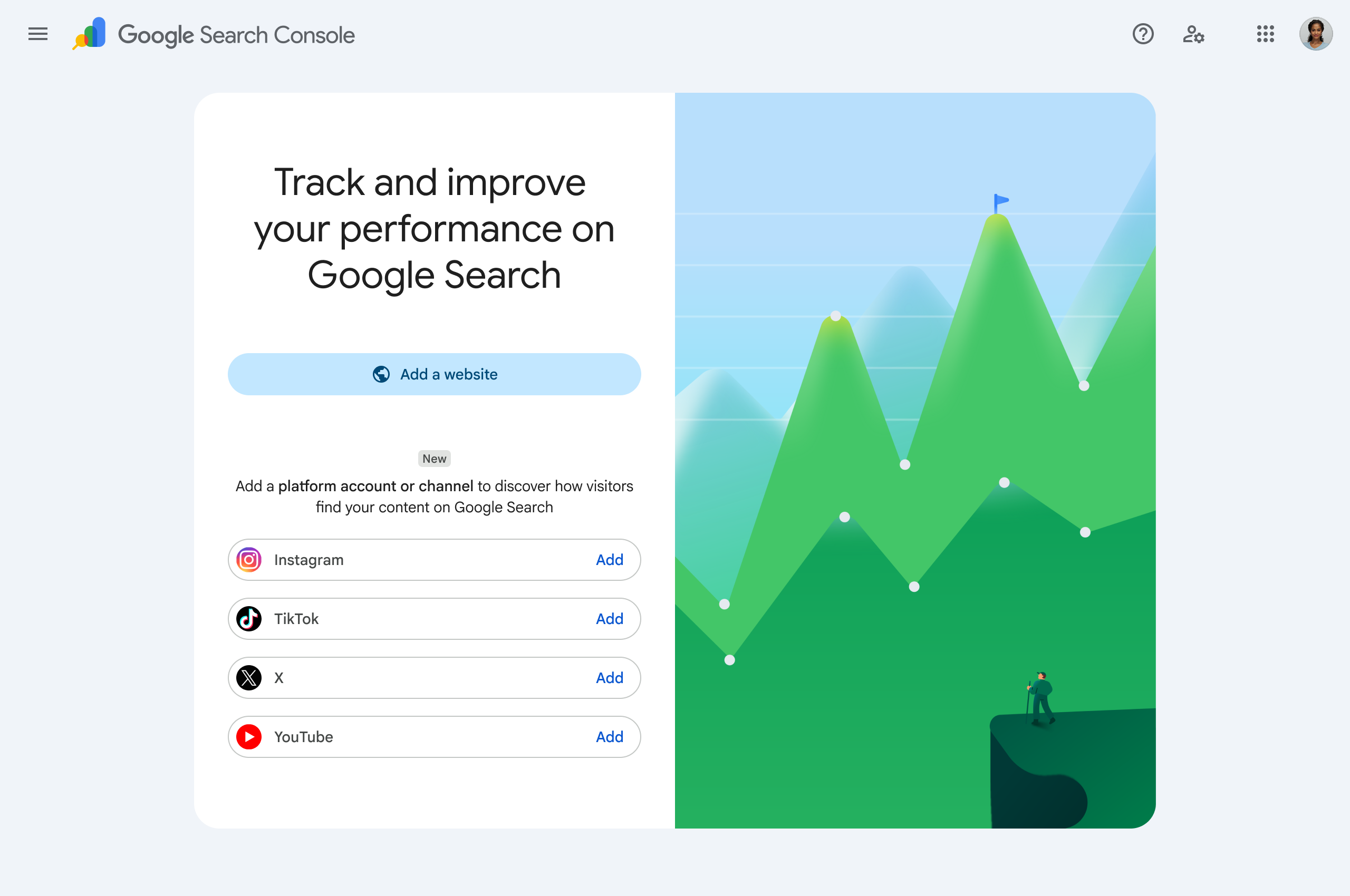
If you've been managing a brand's online presence for any length of time, you already know that the wall between social media platforms and traditional search engines has been crumbling for years. But what Google just did in July 2026 takes that erosion to an entirely new level. Google Search Console now officially tracks Instagram content and links, giving webmasters, creators, and businesses unprecedented visibility into how their Instagram presence performs in Google Search results.
This isn't a minor update to an obscure feature. It fundamentally changes how we should think about Instagram content, link strategies, and the relationship between social media and search discoverability. If you've been treating Instagram and SEO as two separate disciplines, that approach just became outdated overnight.
TL;DR: What You Need to Know Right Now
- Google Search Console now indexes and reports on Instagram content and links as of July 2026, including posts, reels, stories (public ones), and profile links.
- You can now see impressions, clicks, and position data for your Instagram content directly within Search Console's Performance report.
- This means Instagram content is officially part of your SEO ecosystem, and you should optimize accordingly.
- Cross-platform strategies matter more than ever — the connections between your website, Google Search, and Instagram are now fully visible.
- Your DM strategy needs updating too — with Instagram content becoming more discoverable through search, the way people find and initiate conversations with your brand is shifting.
- Early adopters who optimize now will have a significant advantage as this feature rolls out fully and competition increases.
Why Did Google Decide to Track Instagram Content in Search Console?
Google has been moving toward a more holistic view of content quality and authority for years. The Google Search Central documentation has long emphasized that quality content matters regardless of where it's published. But until 2026, Search Console remained focused almost exclusively on web pages, with only cursory treatment of social signals.
There are several factors that likely drove this decision:
- User behavior has shifted dramatically. In 2026, a significant percentage of product discovery and brand research happens on Instagram before a user ever visits a website. Google recognized that ignoring this content meant their search results were incomplete.
- Instagram's API has matured considerably. The Instagram Graph API now provides structured data about public content in ways that make indexing more reliable and meaningful.
- Google's AI capabilities have improved. Processing and understanding visual content, captions, hashtags, and engagement patterns from social platforms is now feasible at scale.
- Competitive pressure from other search engines. Bing and other alternatives had already started incorporating social signals more aggressively, and Google needed to keep pace.
The driving force behind this change is simple: Google wants to serve the best possible results to users, and in 2026, ignoring Instagram content means missing a massive chunk of what people actually care about.
What Exactly Shows Up in Google Search Console for Instagram?
So what data are we actually talking about? When you connect your Instagram account to Search Console (which requires verification, similar to how you verify a website), you gain access to several new data points:
Performance Report Additions
- Instagram post impressions in Google Search — how often your Instagram content appears in search results
- Click-through rates from search to Instagram content — when users click through to your Instagram profile or specific posts from Google
- Average position data — where your Instagram content ranks relative to other search results
- Query data — what search terms are triggering your Instagram content to appear
- Device and geographic breakdowns — the same segmentation you're used to for web pages, now applied to your Instagram content
Link Report Enhancements
Search Console's Links report now includes Instagram as a source of inbound links. This means you can see:
- Which Instagram posts link to your website and how Google interprets those links
- How Instagram profile links contribute to your site's link profile
- The relationship between Instagram engagement and referral traffic as seen by Google
This is a significant shift. Previously, Instagram links were largely invisible to Search Console users. You could see referral traffic in Google Analytics, sure, but the Search Console perspective — which is fundamentally about how Google views your content — was missing.

How Do You Connect Instagram to Google Search Console?
The process for connecting your Instagram account to Search Console is relatively straightforward, but there are some important details to get right:
- Navigate to Search Console settings and look for the new "Connected Platforms" section that was introduced in July 2026.
- Select Instagram from the list of available platforms.
- Verify ownership through one of several methods: meta tag verification on your linked website, DNS verification, or through an authenticated Instagram Business API connection.
- Wait for data to populate — Google indicates it may take up to 72 hours for initial data to appear, though many users report seeing data within 24 hours.
One critical detail: you need to have a Professional Instagram account (Business or Creator) for this integration to work. Personal accounts are not eligible for Search Console tracking as of the initial rollout in 2026.
What Does This Mean for Your Instagram SEO Strategy?
If you've been optimizing your Instagram content purely for in-app discovery through hashtags and the Explore page, you now have an entirely new dimension to consider. Instagram content in 2026 needs to be optimized for both internal Instagram algorithms and external Google Search.
Here's what that looks like in practice:
- Captions matter more than ever for search. Google can parse your Instagram captions and use them to understand what your content is about. Write captions with the same care you'd put into a blog post's meta description.
- Alt text on images has dual purpose. Instagram's alt text feature was always important for accessibility. Now it also helps Google understand your visual content for search indexing.
- Hashtags serve as keyword signals. While hashtags on Instagram have been declining in importance for in-app discovery, they now function as keyword indicators for Google's search algorithms.
- Profile optimization is critical. Your Instagram bio, name field, and category are all data points that Google uses to understand and categorize your content.
- Consistency between your website and Instagram strengthens both. When Google can see clear topical alignment between your website content and your Instagram content, it reinforces your authority on those subjects.
How Should Businesses Rethink Their Cross-Platform Content Strategy?
This integration in 2026 means that the artificial separation between "social media marketing" and "SEO" has officially ended. Businesses need to think about content holistically across every platform where they have a presence.
Practically, this means several things for your content planning:
- Topic clusters should span platforms. If you're building topical authority on your website around a specific subject, your Instagram content should reinforce those same themes. Google can now see the connection.
- Content repurposing takes on new strategic value. Turning a blog post into an Instagram carousel isn't just about reaching your Instagram audience anymore — it creates a searchable, indexable content asset that supports your overall search presence.
- Link strategy between platforms needs intentionality. How you link from Instagram to your website, and from your website to your Instagram profile, matters for how Google evaluates the relationship between these properties.
- Content freshness signals are amplified. Regular Instagram posting activity, now visible to Google through Search Console, becomes a freshness signal that can benefit your broader digital presence.
For teams that use tools like InstantDM to manage their Instagram messaging and engagement workflows, this change adds another layer of strategic consideration. When someone discovers your Instagram content through Google Search and lands on your profile, the quality of your DM automation and response strategy becomes part of that first impression. The journey from "Google Search result" to "Instagram DM conversation" is now a trackable, optimizable funnel.
What Happens to Content That Was Previously Invisible to Search?
One of the most interesting aspects of this rollout is what it reveals about content that was already being indexed by Google but wasn't being reported in Search Console. Many marketers have noticed that Google was already showing Instagram posts in search results — particularly for branded searches and trending topics — but we had no visibility into that data through official channels.
Now, in 2026, that data is surfaced directly in Search Console. Early reports from the SEO community suggest some surprising findings:
- Instagram Reels are appearing in search results more frequently than static posts. This aligns with Google's broader push toward video content in search.
- Older Instagram posts with strong engagement are performing well in search. Content that accumulated significant likes, comments, and shares over time seems to carry weight with Google's algorithms.
- Instagram carousels with educational content are showing strong click-through rates. Multi-slide educational content appears to satisfy search intent effectively.
- Profile-level search visibility varies significantly by industry. Fashion, food, travel, and fitness brands are seeing the highest search visibility for their Instagram content.
How Does This Affect Your Instagram DM and Engagement Strategy?
Here's where things get really interesting from a business perspective. When your Instagram content becomes discoverable through Google Search, the path people take to reach you changes fundamentally. Instead of discovering you within the Instagram app and then engaging, users might now find your content through Google, click through to Instagram, and then want to start a conversation.
This creates new challenges and opportunities for your DM strategy:
- First-contact experiences matter more. Users arriving from Google Search may not be familiar with your brand. Your automated DM responses and welcome messages need to account for this colder traffic.
- Intent signals are different. Someone who finds your Instagram through a Google search has a specific intent — they were looking for something. Your DM strategy should be designed to understand and respond to that intent.
- Conversion paths get more complex. A user might go: Google Search → Instagram post → profile visit → website → back to Instagram DM. Understanding this multi-touch journey is critical.
- Analytics and attribution need updating. You'll need to connect your Search Console data with your Instagram analytics to understand the full picture of how search-driven traffic engages with your content and initiates conversations.
Tools like InstantDM become particularly valuable in this context because they allow you to set up intelligent DM flows that can adapt based on how someone found your content. When you know that a segment of your audience is arriving via Google Search, you can craft specific welcome sequences that acknowledge their journey and guide them toward the information or action they're looking for.
What Technical SEO Best Practices Apply to Instagram Content Now?
For anyone who's spent years optimizing web pages for search, applying SEO thinking to Instagram content might feel unfamiliar. But many of the same principles apply, just with different tools and constraints:
Keyword Research for Instagram Captions
Use the same keyword research tools you rely on for website content — Keyword Tool, Ahrefs, SEMrush, Google Trends — but apply them to your Instagram caption strategy. What are people searching for on Google that your Instagram content could answer?
Structured Content for Searchability
Google's algorithms look for clear, structured content. On Instagram, this means:
- Using line breaks and formatting in captions to improve readability
- Including relevant keywords in the first two lines of your caption (before the "more" truncation)
- Writing descriptive, keyword-rich alt text for every image
- Using your profile name and bio fields strategically for search terms
Technical Considerations
- Ensure your Instagram profile is set to public. Private content won't be indexed by Google.
- Link your website in your bio and ensure that link is consistent with what's registered in Search Console.
- Use the Instagram Graph API if you're building custom integrations — the Instagram API documentation has been updated in 2026 to reflect the new search indexing capabilities.
- Monitor your Search Console regularly for Instagram-specific data, just as you would for your website pages.
Are There Privacy or Control Concerns with This Integration?
Any time a major platform expands its data-sharing capabilities, privacy questions arise. Google has addressed some of these concerns in their Search Console Help documentation, but it's worth understanding the implications:
- Only public content is tracked. If your Instagram account is private or if specific posts are restricted, they won't appear in Search Console data.
- Verification is required. Not just anyone can see Search Console data for your Instagram account. You must prove ownership through established verification methods.
- Individual user data is not exposed. Search Console shows aggregate performance data, not information about specific users who interacted with your content.
- You can disconnect at any time. If you choose to unlink your Instagram from Search Console, the data stops flowing, though historical data may remain available.
- Instagram's own privacy settings still apply. Google respects Instagram's content policies and privacy controls.
For businesses that operate in regulated industries — healthcare, finance, legal — it's worth reviewing whether the increased visibility of your Instagram content through Search Console creates any compliance considerations. Consult with your legal team if you're unsure.
How Will This Change Impact the Creator Economy?
Creators have long operated in a world where their Instagram content existed in a somewhat isolated ecosystem. Your content performed based on Instagram's algorithm, and that was largely the end of the story. In 2026, that isolation is over.
For creators, this change means:
- Discoverability expands significantly. Your Instagram content can now be found by people who aren't even Instagram users, through Google Search.
- Content longevity increases. Instagram posts have traditionally had a short shelf life — a few hours to a few days of meaningful visibility. Google Search can surface your content for months or years if it's relevant to ongoing search queries.
- Monetization opportunities grow. When brands can see Search Console data for your Instagram content, it becomes easier to demonstrate the value of partnerships. "My content appears in Google Search for these high-value keywords" is a powerful pitch.
- Analytics literacy becomes essential. Creators who understand Search Console and can interpret the data will have a significant advantage in negotiations and strategy.
- Content quality expectations rise. When your Instagram posts are competing in Google Search results alongside blog posts, articles, and other long-form content, the quality bar for your captions and visual content goes up.
What Should You Do Right Now to Take Advantage of This Change?
If you've read this far, you're probably wondering what concrete steps you should take today. Here's a prioritized action plan for July 2026:
Immediate Actions (This Week)
- Connect your Instagram to Search Console if you haven't already. Follow the verification process and get data flowing.
- Audit your Instagram profile for search optimization. Is your bio descriptive? Does your name field include relevant keywords? Is your category accurate?
- Review your recent posts' alt text. Go back through your last 20-30 posts and ensure every image has descriptive, keyword-relevant alt text.
Short-Term Actions (This Month)
- Perform keyword research relevant to your niche and identify topics where your Instagram content could rank in Google Search.
- Update your content calendar to include SEO considerations alongside engagement and aesthetic considerations.
- Set up reporting that combines Search Console data with your Instagram Insights to create a unified view of content performance.
Medium-Term Actions (Next 3 Months)
- Develop a cross-platform content strategy that treats your website and Instagram as complementary parts of a single search presence.
- Train your team on Search Console basics if they're not already familiar.
- Test and optimize DM workflows to handle the new traffic patterns that search-driven discovery will create.
- Experiment with content formats — particularly Reels and carousels — to see what performs best in Google Search results for your niche.
What Does the Future Hold for Social Media and Search Integration?
The integration of Instagram into Google Search Console in 2026 is likely just the beginning. If this rollout is successful — and all early indications suggest it will be — we can expect Google to expand this approach to other platforms. TikTok, YouTube (which already has deep integration), LinkedIn, and even niche platforms could eventually receive similar treatment.
The broader trend is clear: Google wants to be the universal index of all quality content, regardless of where it's published. For marketers and creators, this means the walls between disciplines — SEO, social media, content marketing, community management — will continue to dissolve.
The professionals who thrive in this environment will be those who can think across platforms, understand search intent, and create content that serves users wherever they encounter it. The days of treating Instagram as a standalone channel with its own isolated strategy are behind us.