Instagram just changed the rules again.
If you noticed your reach dropping, your views looking different, or your Reels not landing the way they used to, you are not imagining it. The platform made real shifts in how it measures, ranks, and distributes content, and most creators are still operating on outdated assumptions.
@instacoachmike broke down six updates that Instagram's CEO confirmed this week. These are not rumors or speculation. They are structural changes to how the algorithm works, and they affect every single creator on the platform.
Here is what changed, why it matters, and what you should do about it.
TL;DR:
- You can now see what the algorithm thinks you want to watch via the Reels tab heart icon
- Instagram views are measured differently now, intentional viewing counts more
- Talking head Reels are the top performing format in 2026
- Series content trains the algorithm to push your posts to return viewers
- The ideal content mix is 60% authority, 20% POV, 20% educational
- A 7-day action plan to implement all six changes this week
You Can Now See What the Algorithm Thinks About You
This is the one most people missed.
Instagram quietly added a feature that lets you peek behind the curtain. Go to your Reels tab, tap the top right corner, and click the heart icon. The platform will show you exactly what videos it has saved as "inspiration" for your feed.
In other words, you can see how Instagram has categorized your interests.
Why This Matters for Creators
Most creators think about the algorithm as something that judges their content. That is only half the picture. The algorithm also builds a profile of what each user wants to see, and it uses that profile to decide which Reels to serve them.
When you check your own algorithm profile, you get a reality check. If you are a fitness creator but your algorithm thinks you want cooking videos, that tells you something about how you have been engaging. More importantly, if you check the algorithm profiles of your target audience (through accounts you manage or collaborate with), you can reverse engineer what kind of content gets prioritized for them.
How to Use This Information
Look at the categories Instagram has assigned to you. Then compare them to the content you actually post. If there is a mismatch, your content might be reaching the wrong audience, or worse, getting buried because the algorithm does not know who to show it to.
Consistency in your niche matters more than ever. The algorithm is actively learning from every interaction, and it builds a detailed model of each user's preferences over time. If you jump between topics constantly, you confuse the system and dilute your reach.
This is also why tools like InstantDM can help. When you are running DM automation alongside your content strategy, you can segment your audience by interest and deliver targeted follow-ups that reinforce the algorithm's understanding of who should see your posts. The more aligned your engagement signals are, the better the algorithm serves your content to the right people.
For a deeper breakdown of how the algorithm ranks content, check out our guide on how Instagram's CEO revealed exactly how the algorithm works.
Instagram Views Are Measured Differently Now
This one hit a lot of creators hard.
Instagram changed how it counts views. Previously, a view could be registered very quickly, someone scrolling past your Reel at normal speed was enough. That metric is now weighted differently.
The platform is placing significantly more importance on what you might call "intentional viewing behavior." Here is what counts now:
- Someone actually pauses or taps on your Reel (not just scrolls past)
- They watch longer than a quick scroll-by
- They engage through likes, shares, comments, or saves
What This Means for Your Content
If your view counts dropped recently, do not panic. The numbers are not wrong. They are just more honest now.
A high view count that came from people mindlessly scrolling past your Reel was never real engagement anyway. Instagram is now measuring attention, not just exposure. This is a fundamental shift in how the platform defines reach.
Creators who relied on clickbait hooks that stopped the scroll for half a second are seeing the biggest drops. The hook still matters, but now the content behind it has to actually hold attention. If someone taps your Reel and bounces after two seconds, that is a negative signal.
How to Adapt Your Content Strategy
The fix is straightforward but requires a mindset shift. Stop optimizing for views. Start optimizing for watch time.
Here is what that looks like in practice:
Hook with depth, not tricks. A hook that promises something amazing but delivers nothing gets the tap, but loses the watch. A hook that teases a genuine insight gets both.
Front-load value. The first three seconds of your Reel need to deliver something worth sticking around for. Not a logo animation. Not a "hey guys." A real statement, question, or visual that makes people want to see where this goes.
Use pattern interrupts every 5 to 8 seconds. Change the angle, add text overlay, shift the topic slightly. These micro-changes reset the viewer's attention span and keep them watching longer.
Our guide on getting more reach with the new Instagram algorithm covers watch time optimization in detail.
Talking Head Reels Are the Top Format Right Now
If you have been putting off getting on camera, this is your sign.

Talking head Reels, where you speak directly to the camera with minimal editing, are outperforming every other format on Instagram right now. Creators who used to spend hours on heavily edited Reels are switching to this simpler approach and getting better results.
Why Talking Head Reels Work
Three reasons dominate:
Authenticity signals. The audience is tired of overproduced content. When they see a real person talking to them, it feels like a conversation, not a commercial. Instagram's algorithm picks up on this through higher engagement rates and longer watch times.
Authority building. When you speak directly to your audience about a topic, you position yourself as someone worth listening to. Over time, this builds a perception of expertise that compounds. Your followers start coming back specifically for your perspective, which trains the algorithm to push your content to similar audiences.
Production simplicity. You do not need a studio, a ring light, or professional editing software. A phone, a quiet room, and a strong hook are enough. The lower barrier to entry means you can post more frequently, and frequency matters when the algorithm is learning what to push.
How to Make Talking Head Reels That Actually Perform
Not every talking head Reel works. The format is simple, but the execution still needs to be sharp.
Start with a strong hook. Your first sentence determines whether someone keeps watching. Lead with a controversial opinion, a surprising stat, or a specific problem your audience faces. Our guide on 10 Instagram hook templates has frameworks you can use right now.
Keep it under 60 seconds. Talking head Reels that perform best are usually 30 to 60 seconds. Long enough to deliver value, short enough that people watch to the end (which signals the algorithm to push it further).
Add captions. A significant portion of Instagram users watch Reels without sound. Burned-in captions make your content accessible to that audience and increase the likelihood they will engage.
Look at the camera, not the screen. This sounds obvious, but a lot of creators watch themselves while recording. Look directly at the lens. It creates the feeling of eye contact, which builds trust faster than any editing trick.
For a full breakdown of Reels strategy, see our step-by-step guide to creating viral Instagram Reels.
Series Content Is What the Algorithm Loves Most
This is the growth hack that nobody talks about because it does not feel like a hack.
Creators who turn one idea into a recurring series are growing faster than anyone else on the platform right now. The reason is simple: series content trains the algorithm to recognize your account as a source of content that brings people back.
How Series Content Works With the Algorithm
When someone watches "Day 1 of testing habits that change my life" and then comes back for "Day 2," the algorithm registers a pattern. This user likes this creator's content enough to return. That is a powerful signal, more powerful than a single viral Reel that gets a million views from people who will never follow you.
Instagram's algorithm is designed to maximize time spent on the platform. If your content brings people back consistently, the algorithm has every reason to push it to more people. You are essentially telling the system: "Show this to people who will become repeat viewers."
Types of Series That Work
You do not need a complex content calendar to run a series. Here are formats that work across niches:
Challenge series. "Day 1 of [doing X] for 30 days." The ongoing nature creates anticipation. People follow to see what happens next.
Weekly roundups. "Reels ideas you can steal this week." Position yourself as a curator of value. People come back every week for fresh ideas.
Myth-busting series. "Instagram myths creators still believe." Each episode tackles a different misconception. The format is evergreen and shareable.
Behind-the-scenes series. Show your process, your failures, your real numbers. Authenticity plus consistency equals a loyal audience.
Setting Up Your First Series
Pick one topic you can talk about for at least 10 episodes. Do not overthink the format. A talking head Reel with a clear "Day X" or "Episode X" label in the caption is enough.
The key is consistency. Post your series on a predictable schedule. If your audience knows that every Tuesday is "myth-busting Tuesday," they will come looking for it. That return traffic is what trains the algorithm to favor your content.
If you are managing multiple content series or client accounts, a scheduling and automation tool like Social by InstantDM can keep your posting cadence consistent without requiring you to manually publish each post. Consistency is the entire game with series content, and automation removes the biggest obstacle to staying consistent.
For more on how engagement compounds over time, read our breakdown of the 6 metrics that actually determine your Instagram reach.
The Growth Formula: 60/20/20
Here is the content mix that is working right now for creators who are growing consistently:
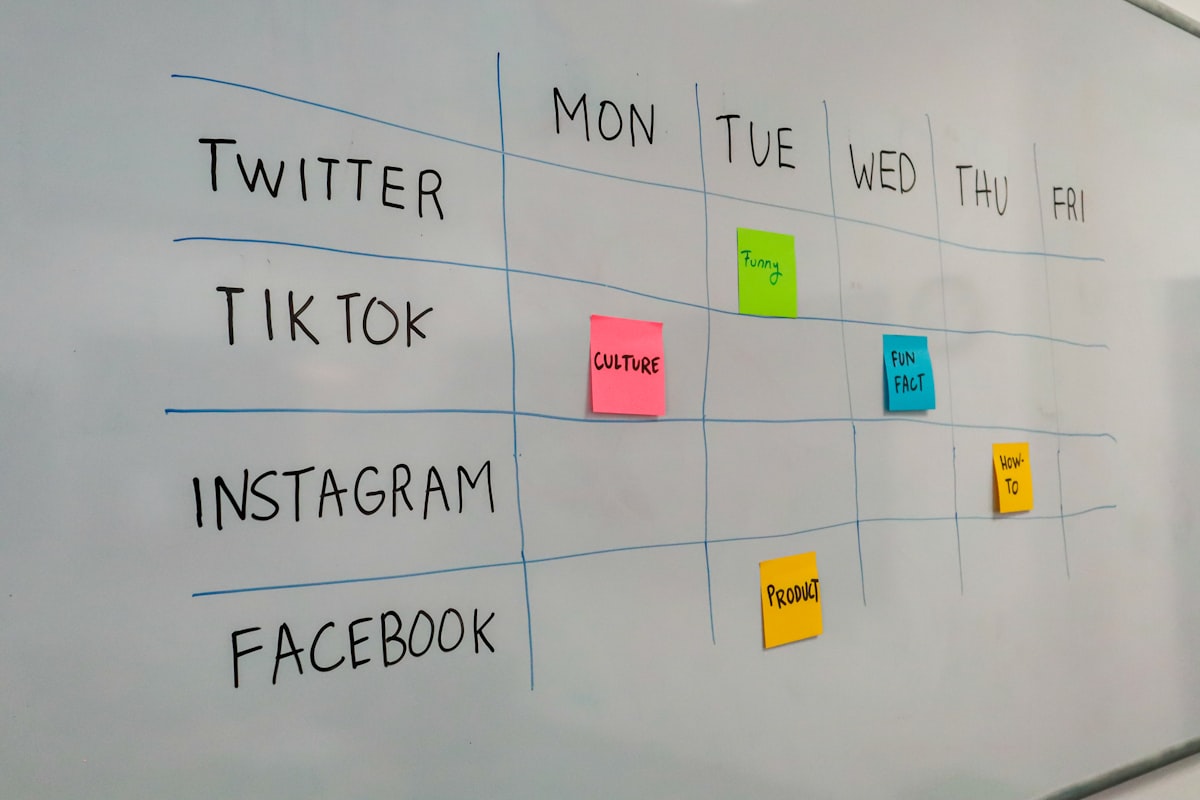
- 60% talking head authority content
- 20% POV relatable content
- 20% mini educational tips
This is not a random ratio. It is built around how the algorithm evaluates and distributes different types of content.
Breaking Down Each Category
60% talking head authority content. This is your foundation. It is where you teach, share opinions, and establish yourself as someone worth following. This content builds trust and positions you as an expert. It also generates the highest watch time, which is the metric the algorithm weights most heavily in 2026.
20% POV relatable content. This is the content that makes people feel seen. Point-of-view posts, relatable scenarios, "when you realize X" type content. It does not build authority directly, but it drives shares and comments. People tag friends in relatable content, which expands your reach beyond your existing audience.
20% mini educational tips. Quick, actionable advice that people can save and reference later. Saves are one of the strongest engagement signals on Instagram. A Reel that gets saved 500 times tells the algorithm something very different than a Reel that gets 500 likes. Saves signal lasting value.
How to Implement the 60/20/20 Split
If you post five times a week, that breaks down to:
- 3 talking head Reels (Monday, Wednesday, Friday)
- 1 POV or relatable post (Tuesday)
- 1 educational tip Reel (Thursday)
Do not stress about hitting the exact ratio every week. The point is to be intentional about mixing content types instead of posting whatever comes to mind. Most creators who struggle with growth are posting 100% of one type and wondering why the algorithm is not pushing them to new audiences.
Why This Mix Works
Each content type serves a different purpose in the algorithm:
Authority content keeps your existing followers engaged and watching. POV content reaches new audiences through shares and tags. Educational content generates saves that signal long-term value.
Together, they create a complete engagement profile that tells the algorithm your account is worth promoting across multiple audience segments, not just the one you started with.
For a broader strategy on engagement tactics, check out our guide on 8 proven ways to skyrocket your Instagram engagement.
Your 7-Day Action Plan
Reading about these changes is one thing. Implementing them is another. Here is a concrete plan to put all six updates into practice this week:
Day 1: Audit your algorithm profile. Go to your Reels tab, tap the heart icon, and see what Instagram thinks you want to watch. Write down the categories. Compare them to the content you actually post. Identify any mismatches.
Day 2: Review your recent view metrics. Look at your last 10 Reels. Which ones had the highest watch time (not just views)? What did those Reels have in common? This tells you what is actually working with the new view measurement system.
Day 3: Record your first talking head Reel. Do not overthink it. Pick a topic you know well, set up your phone, and talk for 30 seconds. Add captions. Post it. The first one will not be perfect, and that is fine.
Day 4: Plan a 5-part series. Choose a topic you can break into five episodes. Write out the hook for each episode. Schedule them across the next two weeks. Consistency matters more than production quality.
Day 5: Map your 60/20/20 calendar. Plan the next two weeks of content using the ratio. Three authority Reels, one POV post, one educational tip. Put it on a calendar or content planner.
Day 6: Create your educational tip Reel. This should be a quick, actionable piece of advice that your audience will want to save. Think: one specific problem, one specific solution, delivered in under 30 seconds.
Day 7: Review and adjust. Look at the performance of everything you posted this week. Which format got the best engagement? Double down on that next week.
If you want to automate the DM follow-ups that turn your new viewers into engaged followers, InstantDM handles that automatically. When someone comments on your Reel with a keyword, InstantDM sends them a personalized DM that keeps the conversation going. It is the fastest way to convert attention into actual relationships.
Common Mistakes Creators Are Making Right Now
Every time Instagram changes its algorithm, a wave of bad advice spreads through the creator community. Here are the mistakes that are costing creators the most reach right now:
Chasing Viral Over Valuable
Some creators saw the drop in views and immediately doubled down on clickbait. More exaggerated hooks, more outrage bait, more "you won't believe this" openings.
This backfires under the new measurement system. Clickbait gets the tap, but it rarely gets the watch. And now that Instagram is measuring intentional viewing, a Reel that gets 10,000 taps but 2-second average watch time performs worse than a Reel that gets 2,000 taps but 30-second average watch time.
The math has changed. Quality of attention beats quantity of impressions.
Ignoring the Series Opportunity
Most creators think in singles. They create one-off Reels, post them, and move on to the next idea. This is the content equivalent of starting a conversation and walking away before the other person responds.
Series content creates a feedback loop. Your audience comes back for the next episode. That return visit signals the algorithm. The algorithm pushes your content to more people. Some of those new viewers become return viewers. The cycle compounds.
Creators who ignore this are leaving the most powerful growth lever on the table.
Not Reviewing Their Algorithm Profile
The heart icon feature in the Reels tab is sitting right there, and most creators have never clicked it. This is free market research. Instagram is literally telling you how it categorizes your interests and, by extension, what content it will prioritize showing you.
Take five minutes to check it. Compare what the algorithm thinks you want to see versus what you are actually posting. If there is a disconnect, that is your first problem to fix.
Posting Without a Content Mix Strategy
Random posting produces random results. If you are only posting authority content, you are building trust but not reaching new people. If you are only posting relatable POV content, you are getting shares but not building a following that sticks.
The 60/20/20 ratio works because it covers all three engagement types that the algorithm rewards: watch time (authority), shares (POV), and saves (educational). Missing any one of these leaves a gap in your engagement profile that limits how far the algorithm will push your content.
What This All Means Going Forward
Instagram is not getting easier. The platform is getting smarter about who it rewards.
The days of gaming the system with engagement bait, follow-for-follow schemes, and clickbait hooks are ending. What is replacing them is a system that values real attention, genuine authority, and consistent content that brings people back.
The six changes outlined here are not temporary trends. They are structural shifts in how Instagram measures and distributes content. Creators who adapt now will have a significant advantage over those who keep doing what worked in 2024.
The algorithm is not your enemy. It is a system that rewards content people actually want to watch. Make that content, and the algorithm will do the rest.
The creators who will win in the second half of 2026 are not the ones with the biggest budgets or the most followers. They are the ones who pay attention to what the platform is telling them and adapt quickly. These six changes are your roadmap. The question is not whether they will affect your reach. The question is whether you will adjust before your competitors do.
Start with Day 1 of the action plan today. Check your algorithm profile. See what Instagram thinks about you. Then spend the rest of the week building a content strategy that works with the algorithm instead of against it.
For a comprehensive look at all the ranking factors that matter in 2026, read our complete 2026 Instagram algorithm guide.