TL;DR: The 2026 Instagram E-commerce Playbook
Selling products on Instagram is no longer about slapping a heavy Valencia filter on a photo and waiting for the cash register to ring. In 2026, it is a highly systematic, deeply psychological process. This playbook covers how to transform your profile from a static digital billboard into a high-converting, interactive storefront. We start with the foundation: a heavily optimized bio and a grid that prioritizes raw, relatable visual storytelling over sterile studio perfection. We dive deep into leveraging organic growth engines—specifically the undeniable power of Reels and the trust-building weight of User-Generated Content (UGC). From there, we explore the tactical execution of influencer marketing that actually provides ROI, strategic Story sequencing to manufacture daily urgency, and Meta ad retargeting to scoop up window shoppers. Finally, we tackle the biggest bottleneck for growing brands: your inbox. By utilizing Meta-verified tools like InstantDM, we’ll show you how to automate your comment-to-DM pipelines, capture leads instantly, and process Shopify checkouts on autopilot without ever angering the Instagram spam algorithm. Grab a notepad. Let’s build your revenue engine.
Introduction: The New Digital Mall
Let’s be brutally honest for a second. If you are trying to sell a physical or digital product on Instagram using strategies from even three years ago, you are leaving an absurd amount of money on the table.
Selling products on Instagram means fundamentally transforming a purely visual social platform into a seamless, entirely frictionless purchasing machine. Gone are the days when Instagram was just a digital scrapbook for heavily filtered sunset photos, latte art, and random updates about your weekend. Today, it is a bustling, high-converting digital mall. And the best part? If you are selling a product, your exact target audience is already hanging out there. They are scrolling, double-tapping, saving posts, and making split-second buying decisions right there on the feed.
But here is the hard truth for 2026: the gap between getting a user to casually look at your product and actually getting them to pull out their credit card is a massive canyon. Attention spans have evaporated. Competition has never been fiercer. You aren't just competing with other brands in your specific niche; you are fighting for screen time against viral meme pages, celebrity gossip, and high-retention videos of golden retrievers.
Consumers in 2026 are also incredibly savvy. They can spot a desperate, sleazy sales pitch from a mile away. They don’t want to be sold to; they want to be entertained, educated, and invited into a lifestyle. In this comprehensive, no-nonsense guide, we are breaking down exactly how to bridge that gap. We are going to look at how to optimize your grid, how to speak to the algorithm, and how to set up intelligent backend systems that sell for you while you are fast asleep. This is your complete roadmap to moving serious product on Instagram. Let's get to work.
1. The Foundation: Turning Your Bio into a High-Converting Storefront
Your bio is your digital elevator pitch. When a potential customer discovers your reel on the Explore page or clicks on a targeted ad, their next move is almost always to navigate to your main profile before making any kind of purchasing decision. You have approximately five seconds—often less—to tell them exactly what you do, who you serve, and why they should care.
If your bio is a vague, cluttered mess of random emojis and inspirational quotes, you will lose the sale immediately. People don't have the patience to play detective to figure out what you are selling.
Crafting a Punchy Description
A high-converting bio leaves zero room for guesswork. It needs to clearly state your unique value proposition (UVP). Look at your current bio. Does it just say your company name and "Apparel"? That’s not enough. Change it to something like: "Premium heavyweight streetwear for the daily grind. Worldwide Shipping."
Use line breaks to Make the text instantly skimmable. Strategically place a few brand-relevant emojis to act as visual bullet points, guiding the eye downward toward your link. Make the reader feel like they have arrived exactly where they need to be to solve their specific problem or fulfill their specific desire.
The Link-in-Bio Strategy
You only get one primary clickable link in your bio description, which means you need to treat it like premium digital real estate. Do not just drop a link to your generic, cluttered homepage and hope they find their way to the product they liked.
Instead, use a smart link-in-bio tool to create a sleek, fast-loading mini landing page. This page should house your absolute most important links: your current viral best-seller at the very top, your newest seasonal collection, your FAQ page, and a lead-magnet (like "Take 10% off your first order") to capture their email address. Keep the design of this link page clean and perfectly aligned with your brand colors so the transition from Instagram to your store feels seamless.
Action Buttons and Contact Info
Stop hiding your customer support email, phone number, or physical location inside a block of text. It wastes character space and frustrates users. Utilize Instagram's native action buttons built specifically for business accounts. Set up "View Shop," "Email," or "Book Now" buttons right below your bio text. The overarching rule of e-commerce is this: the easier you make it for a customer to figure out how to contact you or buy from you, the faster they will hand over their cash.
To effectively monetize your audience without appearing salesy, you need to understand how to build an Instagram acquisition funnel that moves top-of-funnel followers into high-paying clients through strategic DM engagement.
2. Visual Storytelling: Making Your Products Pop on a Crowded Feed
A stark white background works perfectly fine if someone is actively searching for a replacement part on Amazon. But that sterile aesthetic completely dies on Instagram. Instagram is inherently aspirational. People don't log on to look at barcodes; they want to see the lifestyle that your product unlocks. Visual storytelling is about creating a mood, a vibe, and a compelling narrative around what you are offering.
Mastering Lifestyle Photography
Stop taking boring, isolated product shots. If you sell ceramic coffee mugs, do not just post a picture of the mug sitting awkwardly on a blank table. Show a hand wrapped around the mug, soft steam rising from the coffee, a cozy knitted blanket draped over a chair, and a good book in the background.
Lifestyle photos help the customer project themselves into the image. They visualize themselves owning the item and living that exact cozy morning. It creates a visceral, emotional connection that a basic catalog shot simply cannot trigger.
Natural Lighting vs. Studio Lighting
While massive, expensive studio lighting setups have their place for major billboard campaigns, natural lighting almost always performs better organically on Instagram. Why? Because it feels real. It feels authentic and less like a corporate advertisement.
Make it a habit to shoot your products near large windows during golden hour—that magical window just after sunrise or just before sunset. This gives you those soft, warm, flattering shadows that make your products look premium, expensive, and utterly irresistible to someone scrolling on their couch at 8 PM.
Creating a Cohesive Grid Aesthetic
Your grid is your storefront window. When someone scrolls through your profile, the colors, tones, and overall aesthetic should feel deliberate and cohesive. Now, you don't need a rigid, restrictive checkerboard pattern where every other photo is a quote graphic—that trend died years ago.
However, you should stick to a consistent color palette or use a signature editing style. If your brand is moody and dark, don't suddenly post a neon pink graphic. This builds instant brand recognition. When a loyal follower sees your post pop up in their home feed, they should know it belongs to your brand before they even glance at the username.
To stay competitive, brands should follow this complete playbook on how e-commerce brands win on social media in 2026 by focusing on social commerce, community building, and high-converting content.
3. Instagram Shopping Features You're Probably Underutilizing
Meta has spent billions of dollars building native e-commerce tools directly into the Instagram ecosystem, yet a shocking number of independent brands still refuse to use them. If you are forcing users to leave the app, open their Safari browser, remember your website name, and manually search for a specific product they saw on your page, you are bleeding conversions by the minute.
Setting Up Your Shop Catalog
First things first: ensure your Instagram account is set to a Business or Creator profile. Then, connect it to your Meta Commerce Manager. You need to sync your Shopify, WooCommerce, or BigCommerce catalog directly to Instagram. This integration ensures your inventory levels, pricing updates, and product descriptions are always perfectly synced across all platforms, preventing the nightmare scenario of selling out-of-stock items.
The Power of Product Tagging
Are you actually tagging your products in your content? Every single time you post a lifestyle photo featuring one of your items, you should be tapping that image and tagging the exact product from your catalog.
When you do this, a little shopping bag icon appears in the bottom corner of the post. Users can tap the photo, see the name and price of the item instantly, and click straight through to the product page. This entirely removes the dreaded "Where is this from??" or "Link?" comment, taking the customer one massive step closer to the checkout page while their buying intent is at its absolute peak.
Removing Friction in the Buying Journey
The golden rule of e-commerce psychology is that every extra click cuts your conversion rate in half. By fully leaning into Instagram Shopping features, you allow users to discover, research, save, and—depending on your specific region—check out without ever leaving the Instagram app itself. It is the ultimate frictionless experience, capturing impulse buyers before they have a chance to second-guess their purchase.
4. Why Reels Are Your Best Organic Growth Engine
Let’s not sugarcoat it: if you are exclusively posting static photos to your grid in 2026, you are virtually invisible to new audiences. Short-form video is no longer the future; it is the absolute present. Reels are currently the single most powerful format on the platform because they are the only content type that the algorithm aggressively serves to non-followers via the Explore page and the dedicated Reels feed.
The Anatomy of a Viral Product Reel
A viral reel that actually drives sales isn't a lucky accident; it is a calculated formula. It always starts with a visually disruptive "hook" in the first three seconds. You have to stop the mindless thumb-scroll. This could be an extreme close-up, a bold text statement on the screen, or a surprising action.
Next comes the value proposition—showing the product solving a specific pain point or just looking incredibly aesthetically pleasing in its natural environment. Finally, the video must end with a clear, undeniable call-to-action (CTA). Tell them exactly what to do next: "Link in bio to grab yours before they sell out." If you miss any of these three elements, your reel will rack up views but zero dollars.
Leveraging Trending Audio
You absolutely do not need to do awkward viral dances to sell your products, but you do need to pay close attention to audio trends. Using trending sounds acts as an algorithmic tailwind. When you pair a trending, highly recognizable audio clip with a high-quality, engaging showcase of your product, the algorithm is significantly more likely to bundle your video and serve it to a broader audience who has engaged with that sound before.
Quick Transitions and Pacing
We are dealing with microscopic attention spans. If your video sits on one static, unmoving shot for more than three or four seconds, the user will swipe away out of sheer boredom. Use quick cuts, dynamic camera angles, and native text pop-ups to keep the viewer's eye constantly moving and engaged. The faster and more rhythmic the pacing, the higher your average watch time will be. And make no mistake: watch time (retention rate) is the number one metric the algorithm uses to decide if your video goes viral.
5. The Art of the Perfect Product Caption
A stunning picture or a fast-paced reel might grab a user's attention, but the caption is what actually closes the deal. Far too many brands treat their captions as an annoying afterthought, throwing in a single generic emoji, tagging a friend, and calling it a day. A great caption is a miniature sales page. It handles objections, builds desire, and directs traffic.
Writing Benefit-Driven Copy
Nobody really cares about the technical features of your product; they care about the emotional and practical benefits. They care about what the product will do for them. Don't just tell your audience your new jacket is made of "Gore-Tex material with sealed seams." That's boring. Tell them they can "stay perfectly dry, warm, and looking sharp during the absolute worst winter commutes." Translate every single technical feature into a tangible, relatable benefit that directly improves the customer's daily life.
Avoiding the "Infomercial" Tone
You are on Instagram to sell, yes, but you don't want to sound like a sleazy late-night TV salesman screaming at the screen. Keep the tone conversational, relatable, and deeply authentic to your specific brand voice.
Ask genuine questions to encourage comments and boost engagement. Share the raw backstory of how the product was conceptualized and manufactured. Talk about the mistakes you made along the way. Storytelling sells infinitely better than shouting "BUY NOW 50% OFF" in all caps.
Strategic Hashtag Usage in 2026
Hashtags have evolved. They are no longer about spamming 30 random, highly popular words (like #love or #fashion) at the bottom of your post in hopes of going viral. The algorithm now uses hashtags primarily as an SEO tool for categorization, not just pure search discovery.
Use 5 to 7 highly relevant, incredibly niche-specific hashtags to tell the algorithm exactly who should see your content. For example, instead of #skincare, use #VeganSkincareForAcne or #SensitiveSkinRoutine. Think of hashtags as precise signposts guiding the algorithm to your ideal buyer.
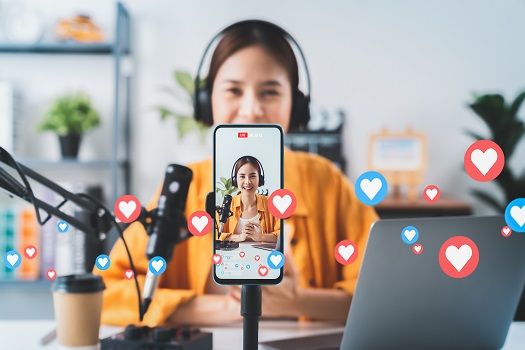
6. Influencer Marketing That Doesn't Break the Bank
When most business owners hear the phrase "influencer marketing," they immediately picture writing a $50,000 check for a single, staged post from a massive reality TV star. But for 99% of e-commerce brands, that strategy is not only completely unaffordable—it's actually highly ineffective. Consumers see right through mega-influencer ads now.
The Rise of the Micro-Influencer
You do not need a Kardashian to sell out your monthly inventory. In fact, micro-influencers—creators with anywhere from 10,000 to 50,000 highly dedicated followers—often yield a much higher, much safer return on investment.
Their audiences might be smaller, but they are incredibly tight-knit, engaged, and fiercely loyal. When a micro-influencer authentically recommends a product they genuinely use, it feels like a personal suggestion from a trusted friend rather than a cold, paid corporate endorsement. The conversion rates are often astronomical compared to macro-influencers.
Finding the Right Partners
Stop looking purely at follower counts; look at brand alignment and community health. If you sell specialized vegan protein powder, do not partner with a general fitness model. Partner with a micro-influencer who specifically shares daily plant-based recipes, talks about the struggles of vegan meal prep, and has a highly active, conversational comment section.
Use auditing tools or simply do the math yourself to check their engagement rate (average likes and comments divided by total followers). You want to ensure their audience is actually paying attention, not just scrolling past or comprised of fake bot accounts.
Structuring the Deal
Cash is king, but it’s not the only way to play the game. Instead of paying massive upfront flat fees, structure your influencer deals to be mutually beneficial and performance-based.
Send them a beautiful PR package with your absolute best-selling items, provide them with a unique, trackable discount code for their followers, and offer them a generous affiliate commission (like 15-20%) for every single sale they generate. This aligns their financial incentives entirely with yours. If they create great content that sells, they get paid well. If it flops, you haven't blown your entire Q3 marketing budget.
7. Getting Customers to Do the Selling For You (UGC)
User-Generated Content (UGC) is the absolute holy grail of modern marketing. It is the digital equivalent of word-of-mouth. It is the most authentic, persuasive, and cost-effective content you can possibly feature on your feed. Modern consumers are incredibly skeptical of polished, high-budget brand ads, but they implicitly trust real people sitting in their real bedrooms showing real results.
Encouraging Customer Posts
You can't just sit back and hope people post about you; you have to actively build systems to encourage it. Put a beautifully designed, premium card insert in your shipping packaging that clearly says, "Snap a pic of your new gear, tag us on Instagram, and use #MyBrandStyle to automatically enter our monthly $100 gift card giveaway!"
Create a unique brand hashtag and promote it heavily in your bio and Stories. Sometimes, your customers just need a little gentle nudge—and a fun incentive—to pull out their phone cameras while unboxing your product.
The Power of Social Proof
When a prospective buyer lands on your page and sees a dedicated Highlight reel featuring dozens of different, real customers wearing your clothing, unboxing your jewelry, or raving about your software, their buying anxiety drops to zero.
UGC acts as undeniable, irrefutable social proof. It proves that your company is not a scam, that your shipping actually arrives on time, and that the product looks just as good in the real world as it does on your slick website. It builds an immediate bridge of trust.
Legally Reposting Content
This is crucial: never, ever just screenshot and steal a customer's content without asking. If a customer tags you in an incredible photo, always send them a quick, polite DM asking for explicit permission to repost it on your feed or use it in your paid ad campaigns.
Once you have their consent, post it proudly, tag them clearly in the first line of the caption, and thank them. This not only gives you a free piece of high-converting content, but it makes that specific customer feel incredibly valued, seen, and appreciated—practically guaranteeing they will buy from you again.
To successfully turn your followers into buyers, check out this comprehensive Instagram ecommerce strategy for 2025 that covers everything from shopping features to advanced reel techniques.
8. Strategic Use of Stories to Drive Daily Sales
If your static grid is your perfectly curated, polished storefront window display, your Stories are the bustling, chaotic, exciting sales floor inside the shop. Stories disappear into the ether in 24 hours, which makes them the absolute perfect medium for raw, unpolished, behind-the-scenes content. They are designed to build intimacy, trust, and intense urgency.
Manufacturing Urgency with Flash Sales
Because Stories are inherently ephemeral, they are the ideal staging ground to run 24-hour flash sales. Post a bold, text-heavy graphic with a massive discount code that explicitly states it only lasts until the Story expires.
Use the native Countdown sticker so followers can visibly see the seconds ticking away. The ticking clock triggers a deep-seated fear of missing out (FOMO) in your audience, pushing those fence-sitters to make impulsive, immediate purchasing decisions before the deal vanishes forever.
Using Interactive Stickers
Don't just post a dozen static images of your products on your Stories and expect people to care. Make them interactive. Use the Poll sticker to ask your audience which colorway they prefer for an upcoming launch.
Use the Question box to host a live, weekly Q&A about your manufacturing materials or sizing guides. This kind of micro-engagement does two things: it gives you free market research, and it trains the algorithm that your audience deeply cares about your content, which guarantees your future Stories will be pushed to the very front of their viewing queue.
The Behind-the-Scenes Connection
Remember that people ultimately buy from people, not faceless, corporate logos. Use your Stories to pull back the curtain and show the messy, human side of running your business.
Show your team laughing while packing orders late at night, show the fabric swatches for next season on your messy desk, or talk directly to the camera about a frustrating supply chain struggle you faced that week. Vulnerability builds immense trust, and trust is the ultimate driver of long-term sales.
If you're serious about organic growth, you need to practice "productive scrolling.”
9. Instagram Ads: Retargeting Window Shoppers
Organic reach through Reels and hashtags is fantastic, but it can be notoriously unpredictable. If you want to build a truly reliable, predictable revenue engine that scales on command, you need to pour lighter fluid on the fire with paid Meta advertising. Specifically, you need to master the art of retargeting.
The Psychology of Retargeting
Have you ever looked at a pair of running shoes on a brand's website, left without buying anything, and then suddenly seen those exact same shoes follow you around Instagram, Facebook, and the web for the next week? That is retargeting in action.
Most consumers will absolutely not buy a product the very first time they hear about your brand. They need multiple touchpoints to build familiarity and trust. Retargeting ensures your brand stays aggressively top-of-mind while the customer is sitting in the crucial consideration phase.
Setting Up Meta Ad Campaigns
Using the Meta Ads Manager desktop platform, you can create highly specific "custom audiences" based entirely on how people have interacted with your Instagram profile.
You can—and should—set up a perpetual campaign that exclusively targets people who have visited your profile in the last 30 days, saved one of your posts, or sent you a direct message. These are not cold leads; these are high-intent "warm" leads who already know exactly who you are and have shown active interest in your aesthetic or product.
Crafting the Perfect Retargeting Ad
Your retargeting ad should look fundamentally different from your initial top-of-funnel discovery ad. Since the user already knows your brand exists, the retargeting ad should focus heavily on overcoming their specific buying objections.
Feature a fast-paced video of a customer giving a glowing, honest review. Highlight your hassle-free, 30-day return policy in bold text. Or, offer a modest, time-sensitive 10% discount to push them over the edge and secure the sale.
10. Creating Exclusive Offers to Build a Loyal Community
Customer acquisition—convincing a total stranger to trust you enough to buy—is incredibly expensive and time-consuming. Customer retention—getting someone who already loves you to buy again—is cheap and highly profitable. The most successful e-commerce businesses on Instagram don't just focus on acquiring new buyers; they focus obsessively on turning first-time buyers into lifelong brand evangelists by building a sense of deep, exclusive community.
The "Close Friends" VIP List
Instagram's "Close Friends" feature isn't just a fun tool for sharing embarrassing weekend stories with your real-life buddies; it's an incredibly potent marketing tool.
Create a campaign where you tell your public audience, "Reply 'VIP' to this Story right now to be added to our Close Friends list. We only drop our biggest hidden discounts and unreleased product sneak peeks in there." This creates a gated, hyper-engaged community of your absolute best customers who feel like they are part of a secret club.
Instagram-Exclusive Discount Codes
You want to train your audience to watch your every move. Reward the people who actively engage with your social media presence. Create specific discount codes (like "IGFAM15") that are literally only ever mentioned on your Instagram page—never on your website, never in your emails.
When your followers realize that paying close attention to your daily content actually saves them real money, they will turn on post notifications and actively seek out your posts in their feed.
Gamifying the Shopping Experience
Make buying from you a fun, exciting event, not just a transaction. Run exclusive giveaways where entry requires tagging three friends and sharing your post to their Story.
Do random, unannounced "shock drops" where a highly requested product is only available for a few hours before it disappears again. By treating your Instagram presence less like a boring digital catalog and more like an exclusive, gamified community, you build a fiercely loyal customer base that will defend your brand in the comments and buy whatever you launch next.
Table: Traditional vs. 2026 Instagram E-Commerce Strategies
| Strategy Pillar | The Old Way (Pre-2024) | The 2026 Playbook |
|---|---|---|
| Primary Content Focus | Static, heavily filtered studio photos | Short-form, dynamic Reels & raw, relatable video |
| Link & Traffic Strategy | "Link in bio" text buried in the caption | Automated DM delivery (InstantDM) & native shopping tags |
| Customer Support Speed | Manual email replies taking 24-48 hours | Instant, AI-driven auto-responses natively via DM |
| Sales Pitch Tone | Direct, pushy, infomercial-style shouting | Value-driven, lifestyle storytelling & subtle integration |
| Influencer Partnerships | High-budget, one-off celebrity endorsements | Micro-influencer & UGC affiliate revenue-share models |
| Inbox & Lead Management | Swamped by spam, missed messages, lost leads | Automated funneling, queuing systems, and keyword triggers |
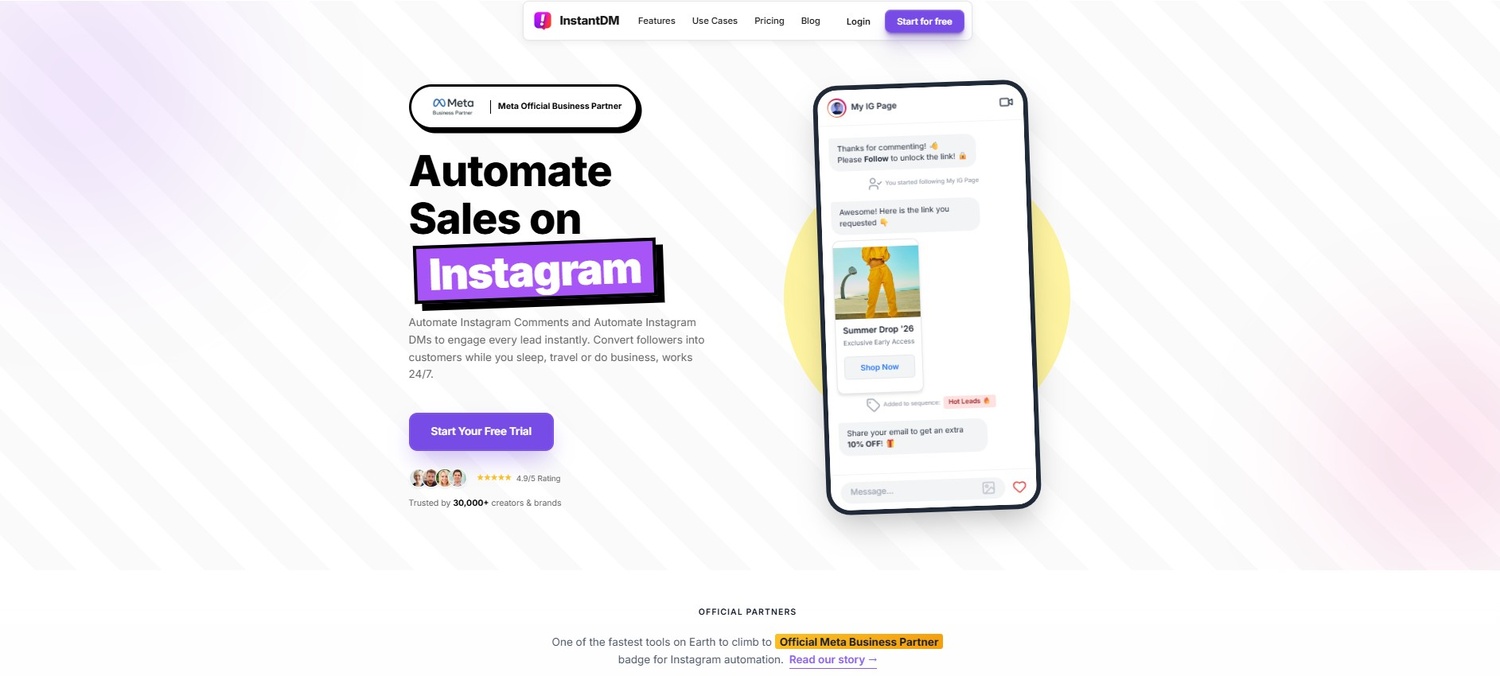
11. Bridging the Gap: Automating Your Comment-to-DM Pipeline
We have spent a massive amount of time talking about generating traffic, building beautiful visual content, and driving engagement. But here is where the rubber meets the road. What actually happens when you finally strike gold?
Imagine this very real scenario: you post a Reel on a Tuesday night. It hits the algorithm perfectly. You wake up on Wednesday morning, and the Reel has half a million views. The comment section is a chaotic, overflowing mess of "price please", "where can I buy this?", "what's the link?", and "ship to the UK?".
Trying to reply manually to hundreds or thousands of these comments is not just exhausting; it is completely, mathematically unscalable. By the time you manually copy, paste, and send the product link to the 50th person, the first 49 have already lost that impulse-buy feeling, closed the app, and moved on with their day. In just a few hours, you could potentially lose thousands of dollars. You desperately need an automated bridge to capture that fleeting moment of high intent.
We’ll show you how to set up sophisticated comment-to-DM flows that capture these high-intent leads the absolute millisecond they raise their hand. A standout platform for mastering this in 2026 is InstantDM.
Built specifically from the ground up as a comment-to-DM engine, it automatically delivers your product links, VIP discount codes, or direct Shopify checkouts straight into a customer's private inbox the exact second they drop a specific keyword in your comments.
For instance, you can simply tell your audience in your Reel, "Comment the word 'GLOW' below to get the exact link to this skincare routine sent to your DMs." The moment a user types "GLOW," InstantDM instantly fires off a personalized direct message containing the exact product URL.
This is meaningful. This isn't just about saving your social media manager a few hours of copy-pasting; it is about drastically maximizing your revenue ceiling. InstantDM acts as your tireless, 24/7 digital salesperson. Whether you are sleeping, on a flight, or filming your next piece of content, the software is capturing leads and closing sales. Furthermore, because it integrates so seamlessly, you can use its visual flow builder to create multi-step conversations—collecting email addresses, offering tiered discount codes, or directing them straight to a pre-loaded Shopify checkout page. You are converting raw, chaotic engagement into actual, trackable dollars on complete autopilot.
12. Scaling Conversations Without Triggering Spam Filters
Now, while the concept of massive DM automation sounds like a dream come true, the actual technical execution is where countless brands completely destroy their accounts. The internet is littered with horror stories of ambitious creators attempting to brute-force thousands of automated direct messages using cheap, unauthorized software, only to wake up the next morning and find their account shadowbanned, temporarily restricted, or entirely deleted by Instagram's ruthless anti-spam algorithms.
Raw message volume isn't the goal; safe, organic-looking, human-like interaction is the goal. If Instagram's algorithm detects a bot firing off 500 identical messages at superhuman, robotic speeds, it will immediately shut you down to protect the platform's user experience.
This is exactly where InstantDM truly shines as a secure, enterprise-grade solution that remains accessible for everyday creators and growing e-commerce brands. Instead of utilizing rapid-fire, reckless spamming techniques, it is engineered with intelligent, randomised delays and adaptive rate limits. This means it actively mimics natural human typing behaviour.
When that massive viral traffic spike occurs and 2,000 people comment "GLOW" in five minutes, InstantDM doesn't panic and blast the server. Instead, it routes your outgoing messages through a highly sophisticated, smart queuing system to ensure steady, safe, and compliant delivery.
Most importantly, because it runs strictly on Meta’s official first-party Graph API and operates as a Meta-verified platform, you are playing entirely by Instagram's own rulebook. You aren't hacking the system; you are using the system as intended. You can handle massive viral traffic spikes—securely collecting WhatsApp numbers, grabbing emails, and driving rapid Shopify sales—without ever looking like a malicious bot.
It provides the ultimate peace of mind. Your account’s safety and hard-earned reputation are protected, while its built-in AI-powered comment replies and multi-language support (seamlessly handling over 11 different languages) ensure that your global audience receives a perfectly timed, highly personalized shopping experience.
13. Building Long-Term Customer Loyalty Through the Inbox
The single biggest, most expensive mistake amateur e-commerce brands make is assuming the relationship with the customer abruptly ends the exact moment the checkout page loads. In reality, the post-purchase experience is where true, unshakable brand loyalty is forged.
The Instagram direct message inbox is a highly intimate, direct, one-on-one line of communication with your buyer. It feels like texting a friend. You should treat it as your absolute premium customer retention channel, not just a place to field angry shipping complaints.
Proactive Customer Support
Do not sit back and wait for customers to email you with complaints about missing packages or confusing instructions. Take the offensive. A few days after a product is marked as "Delivered" in your Shopify dashboard, reach out via DM to check in.
Send a simple, warm message: "Hey David! Saw your order just landed. Just wanted to pop in and make sure everything arrived perfectly and see if you had any questions about setting it up?" This level of proactive, human care is incredibly rare in the modern digital age. It completely surprises and delights the customer, turning a basic, forgettable transaction into a memorable brand experience they will tell their friends about.
Asking for Reviews and UGC
The DM inbox is the absolute perfect place to naturally ask for favors. If a customer replies to your proactive check-in message saying they are absolutely obsessed with the product, don't just say "Thanks!" and end the chat.
Immediately follow up by asking if they wouldn't mind leaving a quick review on your website, or snapping a quick selfie for their Story. Say something like, "That is so amazing to hear! If you snap a pic wearing it, please tag us—we'd love to feature you on our page!" Because you have already established a friendly, helpful, one-on-one dialogue, they are significantly more likely to comply and provide you with that golden UGC.
Exclusive Post-Purchase Upsells
Once someone has bought from you and had a positive, seamless experience, they are psychologically primed to buy from you again. The friction is gone. Use the DM channel to send them highly exclusive, unadvertised offers.
For example, send a message saying, "Hey Sarah! Thanks so much for grabbing the blue hoodie last week. We just stealth-dropped the matching sweatpants today, and we wanted to give our recent buyers a secret 15% off code (MATCH15) before we announce it to the public and it sells out." It feels incredibly personal, deeply exclusive, and highly persuasive.
One of the most effective ways to nurture leads at the bottom of your funnel is to proactively DM your followers to start conversations and convert them into paying customers.
14. Tracking Your Metrics: Which Analytics Actually Matter
Here is a fundamental rule of business: you cannot scale what you do not accurately measure. However, when you open up Instagram Insights, you are immediately bombarded with a dizzying, overwhelming array of numbers, graphs, charts, and percentages. If you focus your energy on optimizing the wrong metrics, you will end up building a strategy that looks good on paper but generates zero actual profit.
Likes, comments, and sheer follower counts are, for the most part, vanity metrics. They stroke the ego. They look great in a pitch deck. But they absolutely do not pay the bills or fund your next inventory run.
Moving Beyond Vanity Metrics
A highly produced reel can get two million views and generate zero sales if it attracts the wrong demographic (like teenagers with no disposable income). Stop obsessing over how many likes a post got and start digging into the deeper, behavioral data.
The metrics that actually indicate true business health and buyer intent are profile visits, website clicks, and save rates. If someone takes the time to save your post to a private collection, it means they found the product valuable enough to bookmark for later consideration. That is a high-intent signal. If you see a post with low likes but high saves, that is a winning format.
Tracking Direct Sales Conversions
Ultimately, at the end of the month, the only metric that truly matters for an e-commerce brand is revenue. You need to know exactly which pieces of content are driving actual dollars.
To do this, you must use UTM parameters on all your bio links so you can track the exact source of your traffic inside Google Analytics or Shopify. Pay close attention to which automated DM flows have the highest click-through and conversion rates. By tying your Instagram content directly to hard revenue data, you can stop guessing what works and start doubling down hard on the exact creative formats that actually pay out.
Iterative Testing and Optimization
Analytics shouldn't just be glanced at once a month when you do your bookkeeping; they should be the living engine that drives your daily creative decisions. Run A/B tests constantly.
Post the exact same product video on two different weeks, but use two entirely different text hooks in the first three seconds to see which retains viewers longer. Try testing two different comment-to-DM keywords (e.g., "BUY" vs. "DETAILS") to see which yields a higher opt-in rate. By constantly testing, measuring, and refining your approach, you transform your Instagram marketing strategy from a hopeful gamble into a highly predictable, mathematical science.
Conclusion
Selling physical and digital products on Instagram in 2026 is a delicate, highly intricate blend of art and science. It requires the artistic, creative vision to design scroll-stopping, beautiful visual stories that capture the fleeting attention of an incredibly saturated, easily distracted audience. But more importantly, it requires the rock-solid, scientific backend systems to capture the sale before that attention wanders off to the next video.
You simply cannot succeed with just one or the other. Having incredible, automated backend systems cannot save terrible, boring content. And similarly, having the most beautiful, cinematic content in the world is entirely worthless if you don't have a frictionless conversion mechanism to actually take the customer's money.
By systematically optimizing your profile to act as a clear, undeniable storefront, leaning heavily into algorithm-friendly video formats like Reels, and leveraging smart, Meta-verified automation tools like InstantDM to manage your inbox at a massive scale, you can fundamentally transform your Instagram presence. It stops being a time-consuming, frustrating chore and becomes a reliable, predictable, highly profitable revenue engine.
The digital landscape and the algorithm will inevitably continue to shift and evolve, but the core principles of delivering massive value, mastering visual storytelling, and providing a frictionless buying experience will always remain undefeated. Start implementing these tactical strategies one by one today. Keep obsessively testing your creative angles, streamline your DM pipelines, and watch your digital storefront scale to new heights.