One of the most common mistakes small businesses and solo operators Make is treating social media as their entire marketing strategy. They pour their time, energy, and budget into building followers, creating content, and chasing engagement— and then wonder why the pipeline is still empty at the end of the month.
Social media is powerful. Used correctly, it builds brand awareness, establishes credibility, educates your audience, and drives traffic to the parts of your business that actually close revenue. But it was never designed to carry your entire marketing load, and expecting it to is a setup for frustration.
This guide breaks down what social media actually does, why the "social media as everything" approach fails, what an integrated marketing strategy looks like, and how to position social media correctly within a complete business growth system.
Content Analysis: This carousel is from @sagesocial.la and focuses on the strategic role of social media within a broader marketing ecosystem. The expanded guide adds implementation context, multi-channel frameworks, budget allocation guidance, and case examples. Additional insights by Sanjay, Founder of InstantDM.

What Social Media Actually Does
Social media is a top-of-funnel channel. Its job is to introduce your brand, build awareness, create trust, and start conversations. That is a different job than closing sales, nurturing leads, or building recurring revenue — and confusing those jobs is where most social media strategy breaks down.
Here is what top-of-funnel actually means in practice:
Introduce your brand. Social media is where most of your potential clients first encounter you. Before they visit your website, before they book a call, before they even know they have a problem worth solving — they see a post, a reel, a carousel. Your job at this stage is to be present and interesting enough that they hit follow.
Build awareness. Every time someone who fits your target audience sees your content and remembers your name, you have built a tiny piece of awareness. Repeated exposure over weeks and months is what turns a stranger into someone who recognizes your brand.
Create trust. Social proof lives on social media. Client results, testimonials, behind-the-scenes process posts, and thought leadership content all work to establish you as someone worth trusting before the first sales conversation happens.
Start conversations. DMs, comments, and shares are the beginning of a relationship. Social media is uniquely good at lowering the barrier to first contact — someone can engage with your content without committing to a sales call.
Close every sale? No. That is not what top-of-funnel does. A follower who loves your content still needs a mechanism to become a client. If your social media strategy has no clear path from engagement to booking, you have a following, not a pipeline.
Why the "Social Media as Everything" Approach Fails
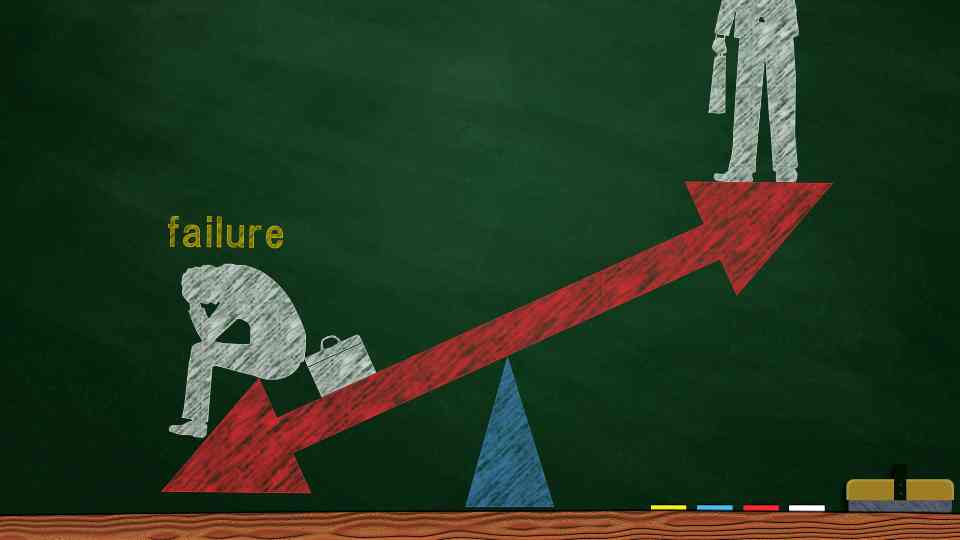
The reason brands expect social media to do everything is that it feels like it should work. Followers feel like customers. Likes feel like interest. Comments feel like intent. But engagement and revenue are not the same thing, and confusing them is expensive.
When brands go all-in on social media as their only channel, several things go wrong:
You are at the mercy of algorithm changes. Instagram changes its algorithm. LinkedIn shifts what content gets shown. TikTok policy shifts overnight. If your entire marketing strategy lives on one platform you do not own, you are one policy change away from losing your pipeline.
You have no direct relationship with your audience. Social platforms own the relationship. You are renting their audience. The followers who engage with your content do not give you their email, their phone number, or any way to reach them if the platform disappears or buries your content.
Top-of-funnel content does not close. Educational posts, entertaining reels, authority-building carousels — these are excellent at attracting potential clients. They are terrible at converting them. Closing requires a mechanism: a landing page, a booking link, an email sequence, a sales conversation. Without that, your social following is an audience with no address.
You compete for attention without a clear offer. Social media rewards engagement, not conversions. You can build 20,000 followers who love your content and never buy anything. The brands that use social media strategically understand that content is the hook — the offer is what converts.
The Brands That Win Do Not Rely on One Platform
The most successful brands do not rely on a single marketing channel. They build multiple channels that work together to drive growth, with each channel serving a specific role in the customer journey.
Think of your marketing ecosystem as a set of interdependent channels:
Social media attracts and engages. It introduces your brand to new audiences, builds trust over time, and creates multiple touchpoints before a potential client makes a decision.
Email and messenger lists own the relationship. When someone joins your email list or follows you on WhatsApp, you now have a direct line to them that no algorithm can interrupt. Email is still the highest-ROI digital marketing channel for most businesses because you own the list.
Your website or landing pages convert. This is where social traffic becomes qualified leads. A well-designed landing page, a clear service page, a booking calendar — the parts of your ecosystem that actually close people.
Paid advertising amplifies what works. Once you know what content attracts your ideal clients, paid promotion on social or search amplifies the reach of your best-performing organic content. Ads are most effective when they point to something already proven to work.
Referrals and partnerships multiply. A client who had a great experience and refers you to one person is good. A formal referral network of past clients, strategic partners, and industry contacts who send you consistent leads is a growth engine.
No single channel should carry your entire business. Social media is one piece of the puzzle — an important one, but one that works best when it is connected to the other pieces.
Why This Matters for Your Business
When brands expect social media to do everything, they get frustrated when growth slows. Because growth will slow. Algorithms change. Content saturation increases. Engagement rates drop. And if social media is your only channel, you have no backup system.
This is not an argument against investing in social media. It is an argument for investing in social media as part of a system, not as the entire system.
The businesses that grow consistently are the ones that treat social media as the gateway to their ecosystem, not the destination. Social media gets people in the door. The ecosystem is what turns them into clients, keeps them engaged, and generates repeat business and referrals.
For social media managers and freelancers who serve small business clients, this message has an important implication: your job is not just to create great social content. Your job is to help clients understand where social media fits in their broader marketing picture and build strategies that connect social to business outcomes.
The Real Role of Social Media
Social media should build brand awareness, establish credibility, educate your audience, and drive traffic to your ecosystem. Think of it as the gateway, not the destination.
Here is how to position social media correctly within your marketing strategy:
Use it to attract your ideal client. Every platform has an audience. Your job is to create content that speaks directly to the client you want to work with, not to appeal to everyone and win no one.
Use it to build authority in your niche. Content that demonstrates your expertise — frameworks, case studies, lessons learned, specific advice — positions you as someone who knows what they are doing. Authority content attracts clients who want expertise, not just services.
Use it to start relationships. Respond to comments. Slide into DMs with genuine responses. Create content that opens conversations rather than just broadcasting. Every relationship started on social is a potential long-term client or referral source.
Use it to drive traffic to your ecosystem. Every post should have a job beyond engagement. If your content is not eventually pointing people toward a landing page, a booking link, an email signup, or a discovery call — the traffic is leaking out of your pipeline instead of converting.
Connect social to your owned channels. Every opportunity to move someone from a social follower to an email subscriber or a website visitor is a win. It means you now own the relationship directly. Use link-in-bio tools, lead magnets, email opt-ins, and clear CTAs to transfer attention from rented platforms to owned channels.
Building Your Integrated Marketing Ecosystem

If social media is the gateway, your ecosystem is the destination. Here is how to build a system where social media connects to revenue-generating channels:
Step 1: Define the one thing you want social media to do for your business right now. Is it brand awareness in a new market? Lead generation for a specific service? Referral pipeline from existing clients? One clear objective keeps your content focused.
Step 2: Build the path from social to your owned channel. Choose one owned channel — your email list, a WhatsApp community, a Telegram channel — and make it the primary destination you drive social traffic toward. Your social content should consistently invite people to join.
Step 3: Create a lead capture mechanism. A landing page with a clear offer, a booking calendar, a discovery call link — something concrete that turns social attention into a first-name relationship. Without this, your social following is an audience with no address.
Step 4: Nurture your owned audience. Email sequences, value-first messaging, regular updates, and genuine relationship building. The people on your owned list are warmer leads than any follower on a platform because they already raised their hand.
Step 5: Measure what matters. Vanity metrics like follower counts and likes tell you about activity. Business metrics like email signups from social, website conversions from social traffic, and booked calls from social referrals tell you whether social media is actually contributing to revenue.
Source: instagram.com/p/DWULusWlFAz/
Creator: @sagesocial.la
The Best Instagram Tools for Creators to Scale Fast in 2026
DM Marketing: The System That Turns Instagram Comments Into
Affordable Instagram DM Automation in 2026: What It Actually
Watch: Why Social Media Should Not Be Your Entire Strategy
- Best Instagram Marketing Strategy For Small Business 2026 (P
- Best Instagram Marketing Strategy For Small Business 2026 (P
- How I Made $3M+ Using Instagram DMs
- How To Close High-Ticket Sales In Instagram DMs (Even With A