Ready to Automate Your Growth?
Join 30,000+ creators and brands using InstantDM today.
Get Started NowAny support required, we're just one click away.
Meta Business Partner
100% Official API
A curated hashtag library for 17 niches, organized by reach tier: broad, mid-size, and niche. Click tags to build your set of up to 30, copy it in one click, and skip the flagged tags that quietly kill reach.
Curated library · updated August 2026
How do trending hashtags work on Instagram now? They are a discovery aid, not a magic reach lever: hashtags help Instagram categorize your post and surface it in search. Mix a few broad tags with plenty of mid-size and niche ones, and never use a tag that doesn't honestly describe the post. Relevance beats volume.
Pick a niche, filter by tier, and click tags to add them to your set below.
Click hashtags above to add them. Aim for 3–5 broad, 10–15 mid, 10–15 niche.
Hashtags work like a ladder. Niche tags get you seen by a small, precise audience; engagement there helps you rank in mid-size tags; strong mid-tier performance occasionally breaks you into the broad tags. Skipping straight to #fitness with 900 followers is how posts disappear in seconds.
Typically 1M+ posts. Your post is visible for seconds here, but these tags give Instagram category context and occasionally catch a wave. Use a few, and never build your set around them.
Typically 100K–1M posts. The engine room of hashtag reach: big enough to matter, small enough that a well-performing post can hold a top spot for hours.
Typically under 100K posts. Small, loyal communities where your post can stay visible for days, and where the people browsing are exactly your audience.
Instagram restricts certain hashtags that attract spam or policy-violating content, and some look completely innocent. Posting with a restricted tag can quietly suppress your reach. These tags have been widely reported as banned or restricted at various times:
Important: Instagram publishes no official list and restrictions change without notice. Before using any borderline tag, search it inside the Instagram app: if recent posts are hidden or a warning appears, skip it. Also avoid the like4like/follow4follow family entirely. Even where not restricted, they attract bots, not customers.
A static page can't live-track hashtag volumes, and tools that claim to are usually days stale anyway. Instead, this is a hand-curated library of hashtags with real, active communities in each niche, reviewed periodically (last pass: August 2026). Tier labels reflect typical post-count ranges that drift over time, so spot-check any tag you build a strategy around. Prefer a set generated from your topic? Use the free Instagram hashtag generator.
Instagram uses hashtags as content signals. Tagging #travel on a gym selfie doesn't add reach: it confuses categorization and attracts the wrong viewers, whose lack of engagement hurts distribution. Every tag in your set should honestly describe the post.
Using the identical 30 tags on every post looks automated and stops testing anything. Build 3-4 sets per content pillar with your core identity tags constant, rotate them, and check Insights to see which sets drive reach from non-followers.
Instagram search increasingly works like a search engine, and hashtags double as keywords. Phrase-style tags that mirror what people type, like a searchable "how to" phrasing in your niche, help your posts surface in search results, not just hashtag feeds.
The same tags from this library, just fewer of them. Reels distribution is driven mostly by watch time, replays, and shares; hashtags play a smaller role than they do in the feed. Use 3-5 tags that describe exactly what the Reel shows, leaning on mid-size and niche tiers, so Instagram files it under the right topic and surfaces it in search. A dance trend tagged #smallbusinesstips helps nobody. If a Reel underperforms, the fix is almost always the first two seconds of the video, not the tag list.
New people find the post; InstantDM starts the conversation, replying to their comments and DMs automatically. Built by a Meta Official Business Partner, with plans from $9.99/month and 500 free DMs every month on the free plan.
Type any topic and get a ready-made hashtag set in seconds.
112 prompts for captions and content, including 8 for hashtag research.
241 post-worthy dates for 2026 with a content idea built into each.
See how your engagement rate stacks up against your niche.
Instagram allows up to 30 hashtags per post, but current best practice is quality over quantity: 10-20 well-chosen, relevant tags typically outperform a wall of 30 generic ones. What matters most is relevance, because Instagram uses hashtags partly as content signals, and every tag should genuinely describe your content.
Yes, but their role has shifted. Hashtags are no longer a magic reach multiplier. They now work mainly as categorization and search signals that help Instagram understand and surface your content, including in keyword search. Expect a modest but real discovery boost when tags are specific and relevant, not a viral shortcut.
A proven structure is the ladder mix: 3-5 broad tags (typically 1M+ posts) for category context, 10-15 mid-size tags (typically 100K-1M posts) where ranking is realistic, and 10-15 niche tags (typically under 100K posts) where your post can stay visible for days. Smaller accounts should weight further toward mid and niche tags.
Banned or restricted hashtags are tags Instagram limits because they attract spam or violate guidelines, and some look completely innocent. Using them can suppress a post's reach. Instagram publishes no official list and statuses change, so spot-check before using: search the tag in the app, and if recent posts are hidden or a warning appears, drop it.
Both work, since Instagram indexes hashtags from captions and comments alike. Caption placement is marginally safer because tags are indexed immediately with the post. If you prefer a clean caption, add line breaks or place tags in the first comment right after posting.
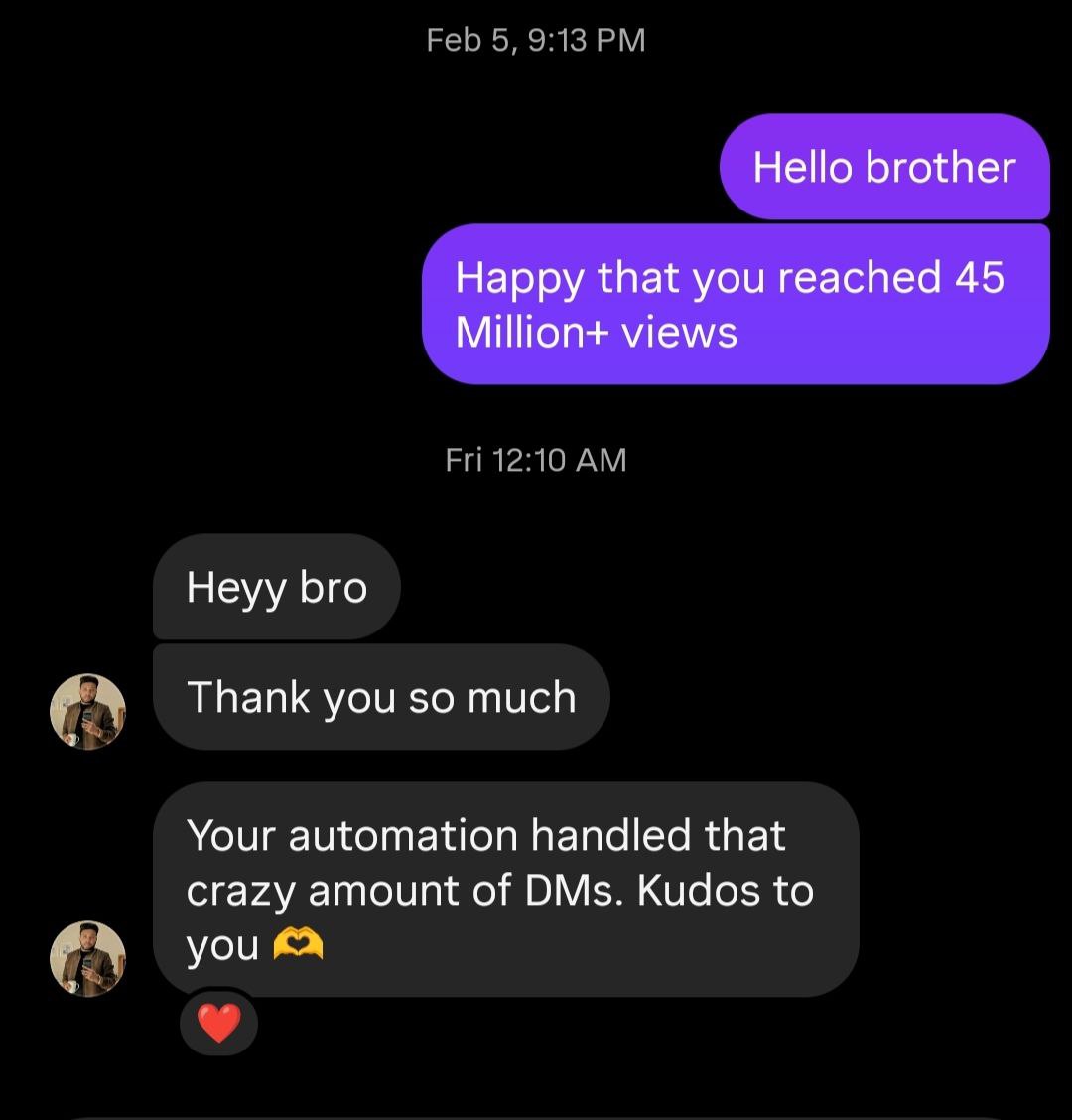
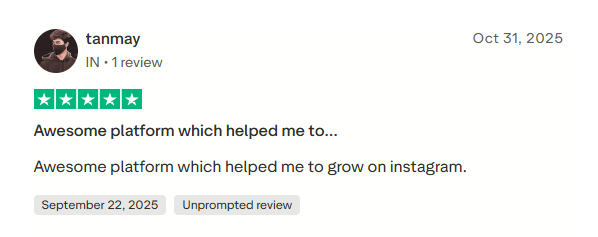
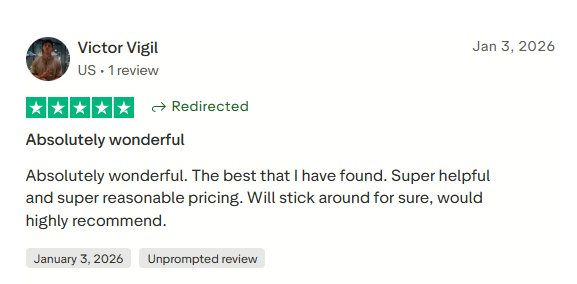
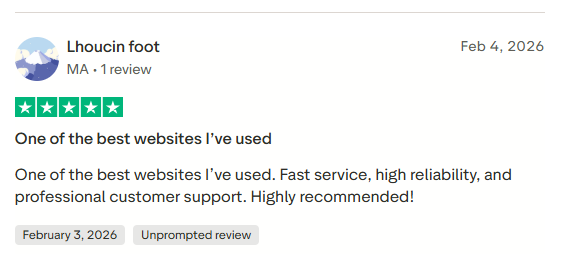
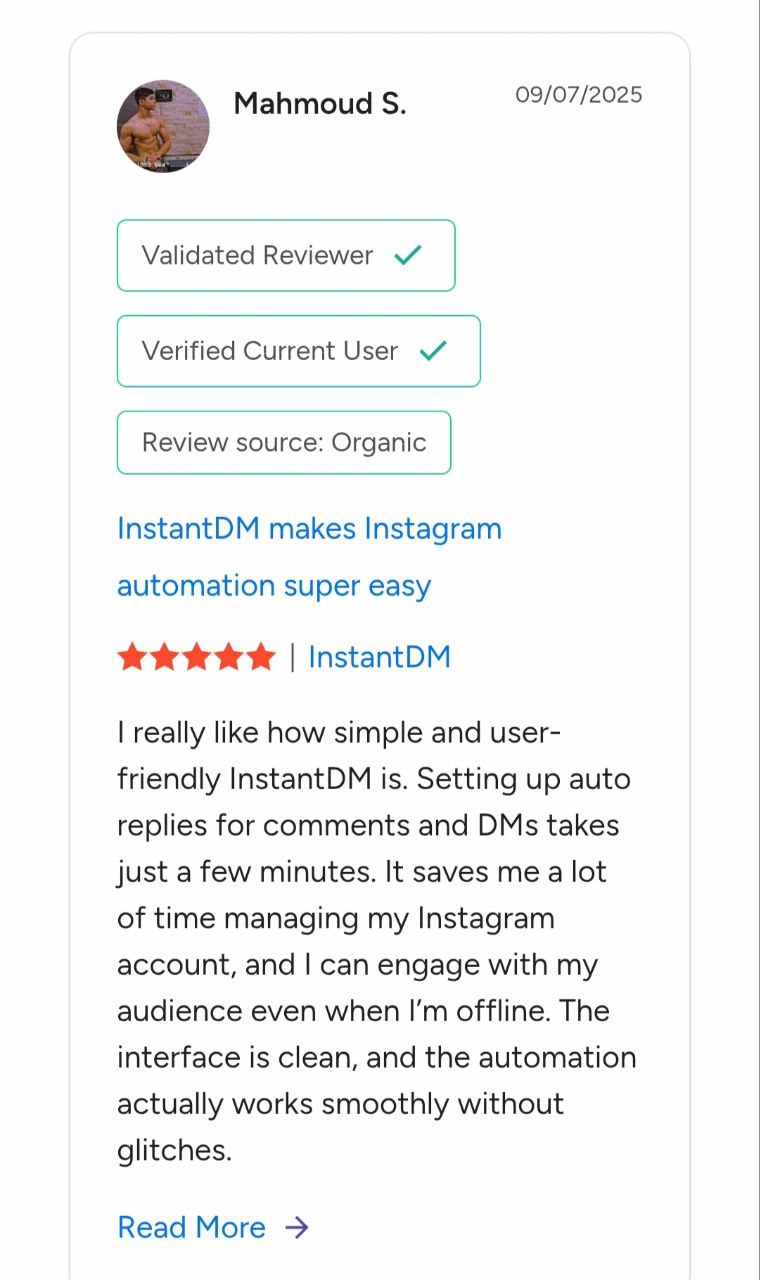
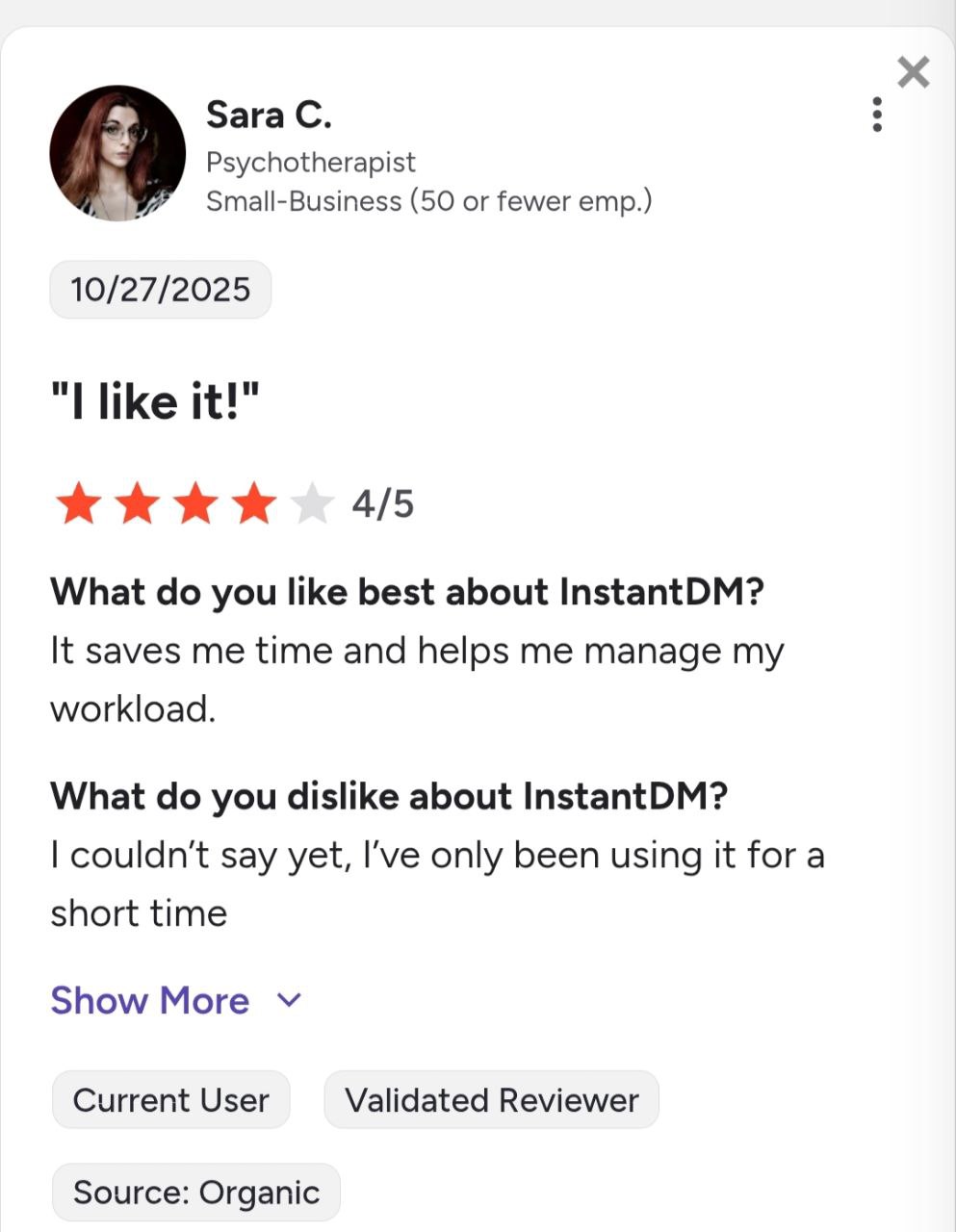
See what creators and brands are saying about InstantDM
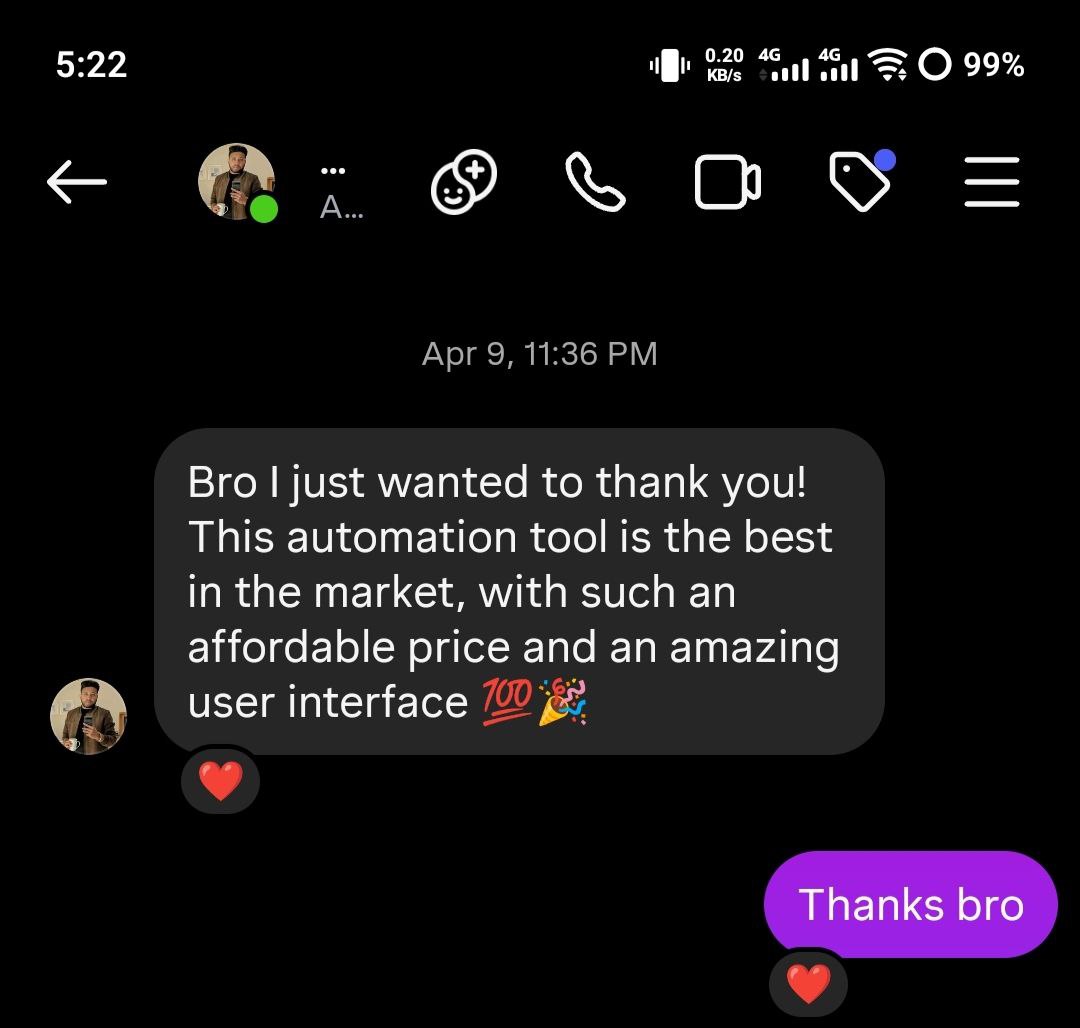
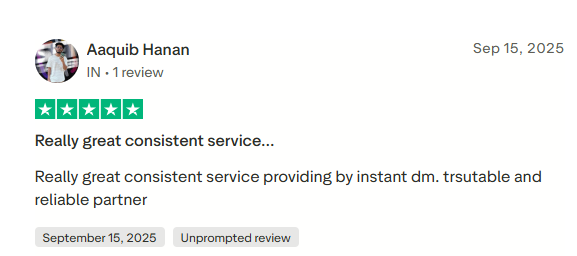
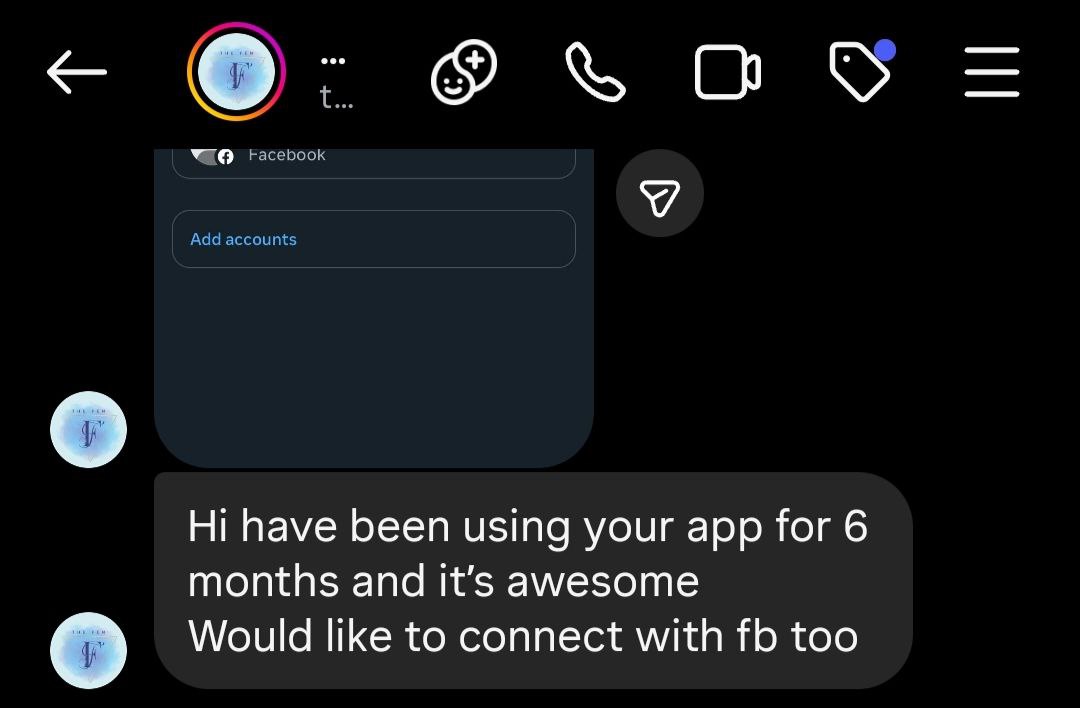
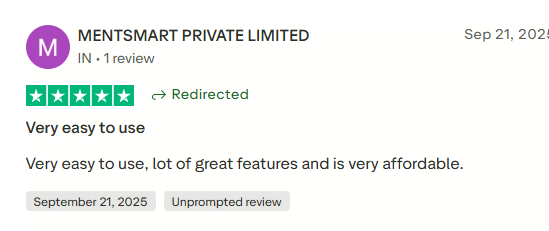
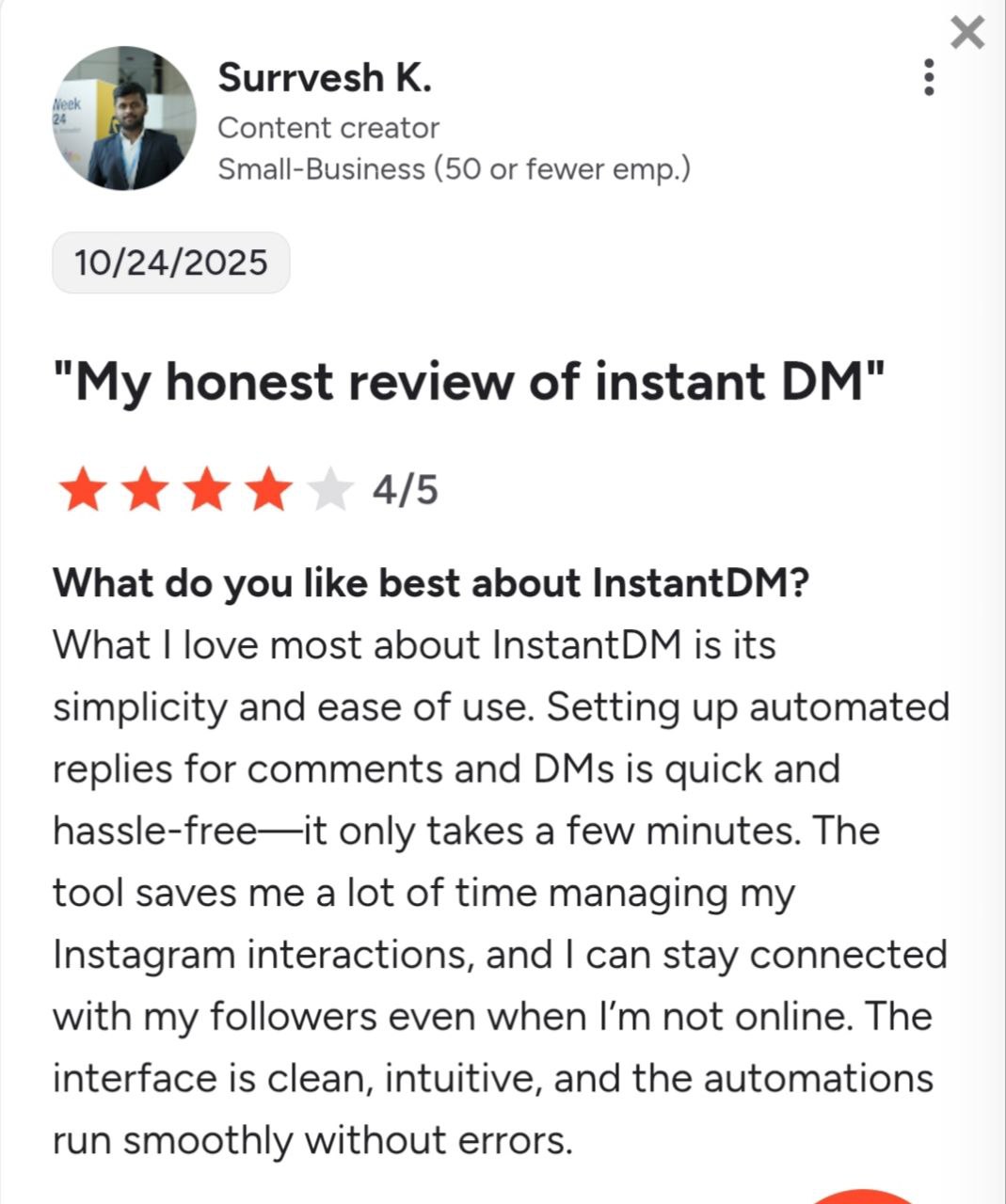
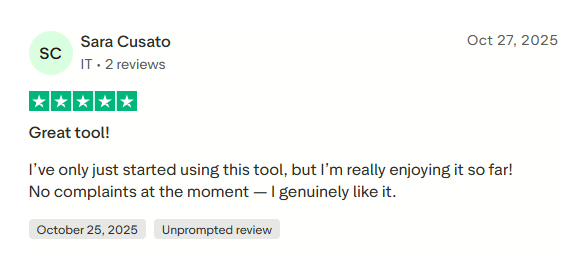
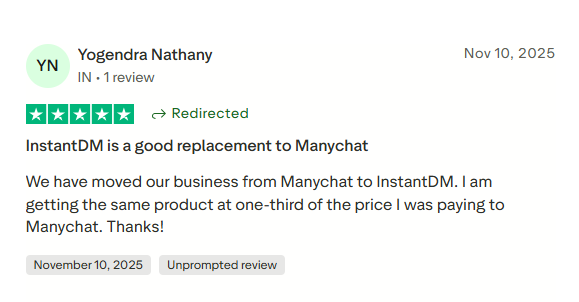
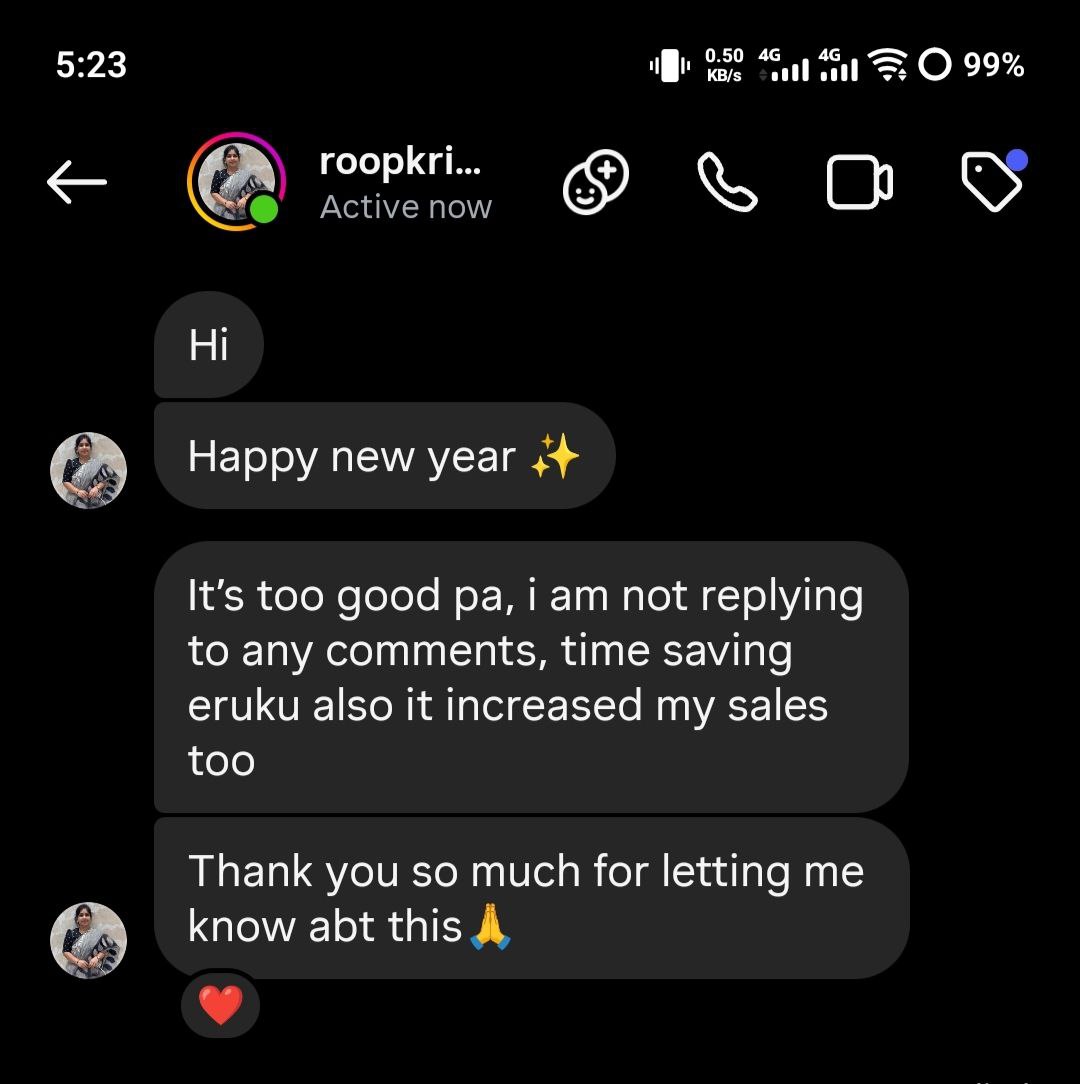
Join 30,000+ creators and brands using InstantDM today.
Get Started NowAny support required, we're just one click away.