

Ready to Automate Your Growth?
Join 30,000+ creators and brands using InstantDM today.
Get Started NowAny support required, we're just one click away.
Meta Business Partner
100% Official API
Estimate the earned media value of your posts and campaigns with every assumption out in the open and editable. Built for media kits and honest rate negotiations.
The standard formula: EMV = (impressions ÷ 1,000 × CPM) + (likes × value per like) + (comments × value per comment). Typical assumptions are a $5–10 CPM, $0.05–0.20 per like, and about $0.50 per comment. This calculator runs it on your numbers and shows every line of the math.
Pull the averages from Instagram Insights for best accuracy.
| Impressions (estimated at ~30% of followers) | 7,500 ÷ 1,000 × $7.00 | $52.50 |
| Likes | 800 × $0.10 | $80.00 |
| Comments | 45 × $0.50 | $22.50 |
| EMV per post | $155.00 |
Formula: EMV = (impressions ÷ 1,000 × CPM) + (likes × per-like value) + (comments × per-comment value)
EMV is an industry estimate of what equivalent ad exposure would cost. It is not revenue, and no money changes hands because of it. There is no official EMV standard; different agencies use different multipliers, which is why every assumption here is editable and shown in the math. Use EMV to compare campaigns and frame pricing conversations, and track actual clicks, leads, and sales for real ROI.
EMV measures attention. InstantDM converts it.
Capture Leads from Every Post — Free Comment-to-DM automation turns campaign engagement into trackable clicks and leads.Paid media is advertising you buy. Owned media is your own channels. Earned media is the exposure other people generate for you. EMV is the convention marketers use to put a dollar figure on it.
If 50,000 people saw a creator's post about your product, what would it have cost to show an ad to 50,000 people? Price the impressions at a CPM, add a value for each like and comment because engagement is worth more than a passive view, and you have EMV.
Brands use EMV to compare creators on one scale, benchmark influencer spend against equivalent ad spend, and report program value to leadership. Creators put EMV in a media kit to justify rates: "my average post generates $X in earned media."
EMV values exposure; ROI counts outcomes. A campaign can post a huge EMV and sell nothing, or a modest EMV and sell out a product. Mature teams read them together: EMV for reach efficiency, and tracked clicks, leads, and revenue for the truth.
EMV assumes organic impressions equal ad impressions in value, which is debatable in both directions: organic carries trust, ads carry targeting. Multipliers also vary by agency. Always publish your assumptions with the number, exactly as this calculator does.
Impressions drive the biggest EMV component, and Reels are Instagram's main organic reach engine because they're shown far beyond your followers. A campaign built on Reels typically generates several times the impressions of static posts.
Comments carry the highest per-engagement value in EMV models and the most weight with the algorithm. Ask a question, run a "comment the keyword" CTA, and reply fast: every reply doubles the comment count and keeps the post circulating.
When you present EMV in a media kit or campaign recap, state the formula and assumptions next to the number. A transparent $2,400 EMV beats a mysterious $10,000 one in any negotiation. Setting your rates too? Cross-check with the Instagram influencer pricing calculator.
EMV expires when the campaign ends; captured leads don't. Add a keyword comment-to-DM automation to campaign posts so every engaged commenter gets your link in their inbox. That turns estimated media value into a measurable pipeline.
An EMV figure impresses in a report; captured leads pay invoices. InstantDM, a Meta Official Business Partner, adds keyword comment-to-DM automation to your campaign posts so engaged commenters land on your list. 500 DMs a month free; paid plans from $9.99/month.
Estimate sponsorship earnings for an account your size.
Check whether your engagement rate supports your EMV story.
Forecast the leads a comment-keyword automation could capture.
Sanity-check your like rate before quoting EMV to a brand.
EMV estimates what the exposure and engagement a post generates organically would have cost if you had bought it as advertising. It prices impressions at a CPM-equivalent rate and adds a dollar value per like and per comment. Brands use it to compare influencer content against paid media on a common scale.
The standard approach is: EMV = (impressions ÷ 1,000 × CPM) + (likes × per-like value) + (comments × per-comment value). Common assumptions are a $5-10 CPM, $0.05-0.20 per like, and roughly $0.50 per comment. There is no single official formula, which is why this calculator lets you edit every assumption.
No. EMV is a media-cost equivalence, not money in the bank. It says "this exposure would have cost roughly $X to buy"; it does not measure clicks, leads, or sales. ROI requires tracking actual outcomes: link clicks, captured emails, and purchases attributable to the campaign.
Brands use EMV to compare creators on a common denominator, to benchmark a campaign against what the same budget would have bought in ads, and to report influencer program performance to leadership. Creators use it in media kits to frame their asking price. In both cases, serious teams pair EMV with real outcome metrics.
Most EMV models use a CPM between $5 and $10 for Instagram, reflecting typical paid-social CPM ranges. Use the lower end for broad consumer audiences and the higher end for premium or niche B2B audiences where ad inventory genuinely costs more. This calculator defaults to $7.
If you have a professional account, use the real impressions or views from Instagram Insights, especially for Reels. Without data, a rough convention is to assume a post reaches a fraction of followers; this calculator assumes about 30% of followers per post when you leave the Reel views field empty, and uses your actual view numbers when you provide them.
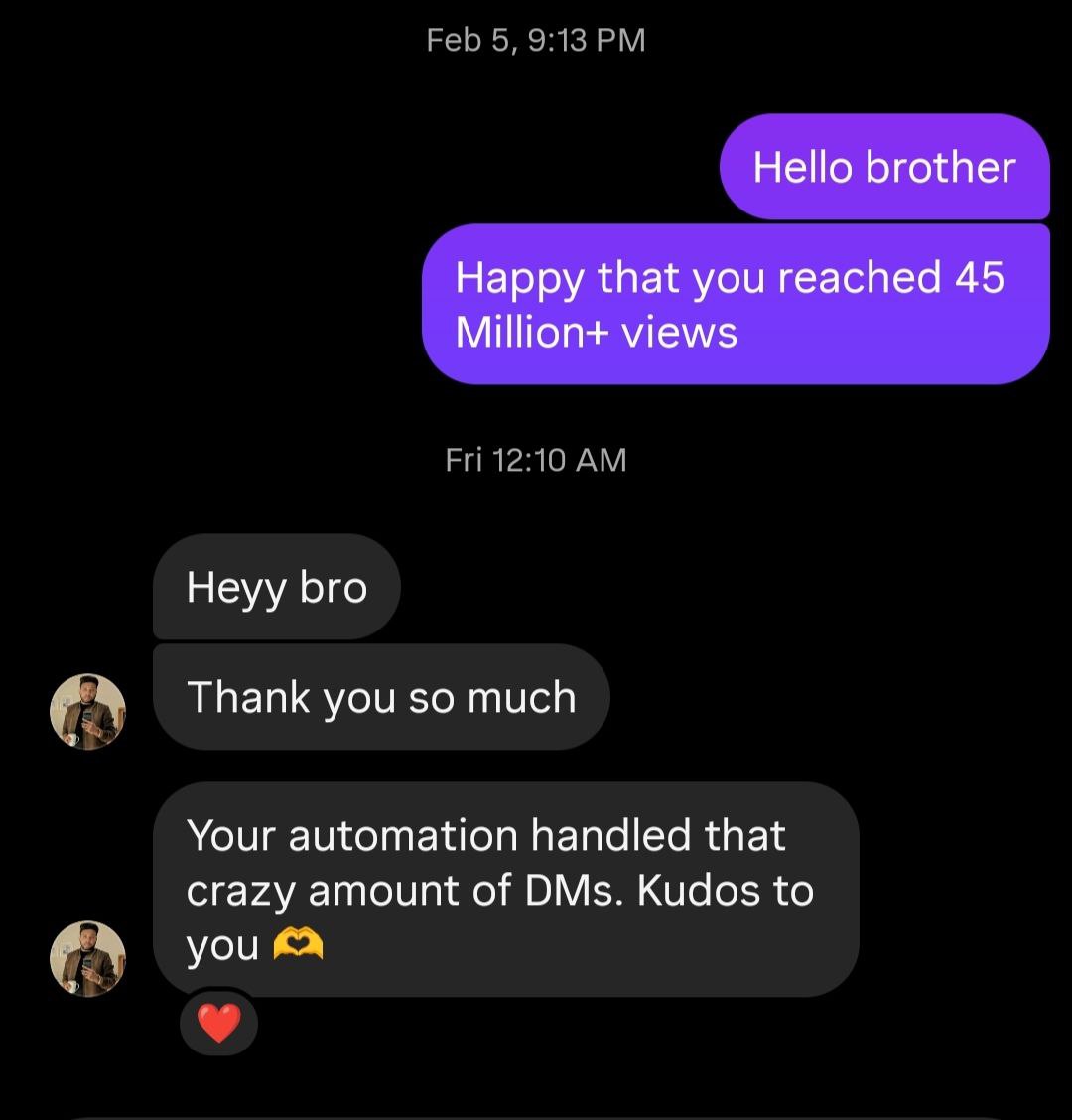
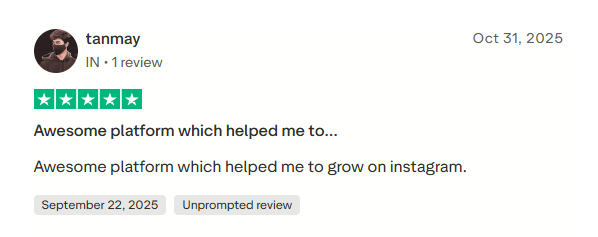
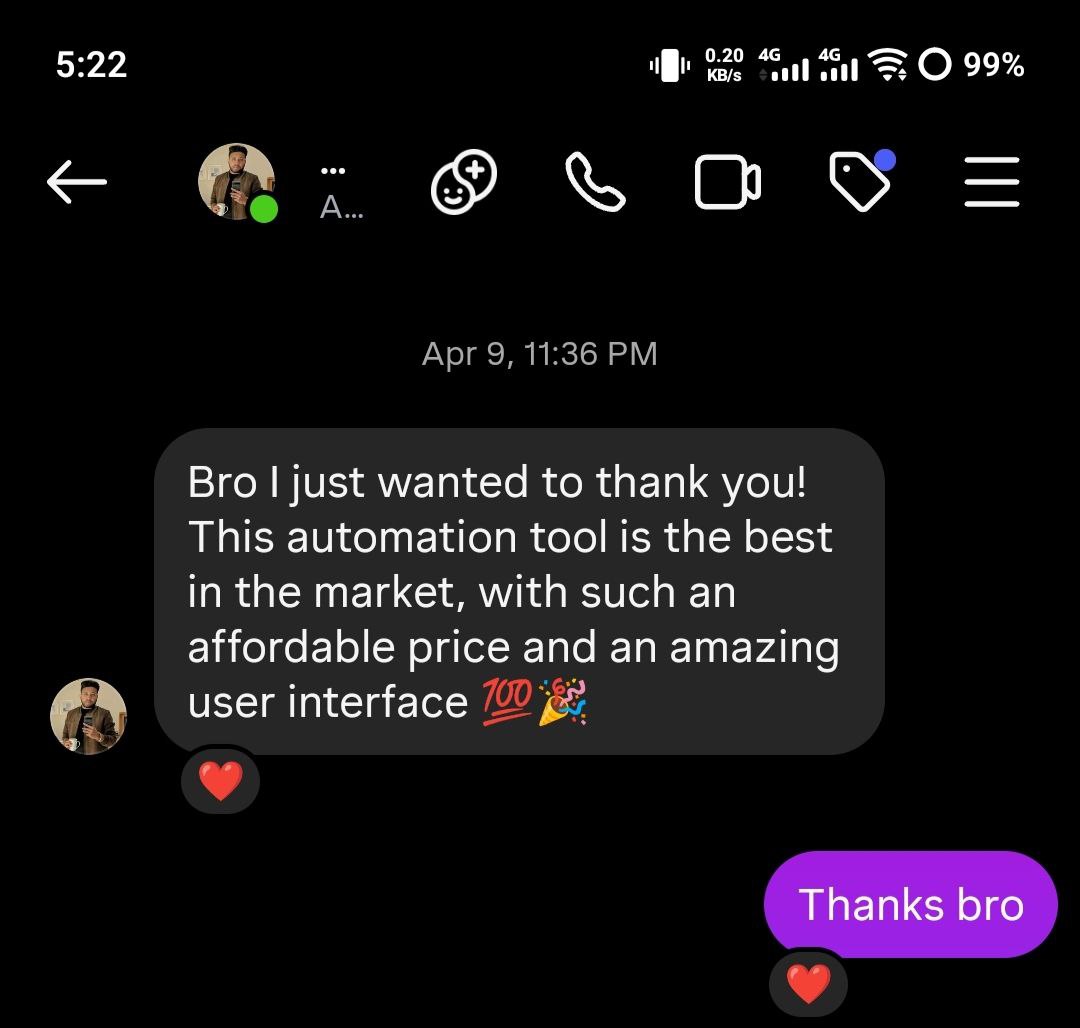
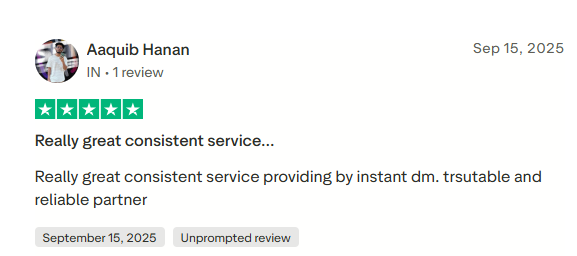
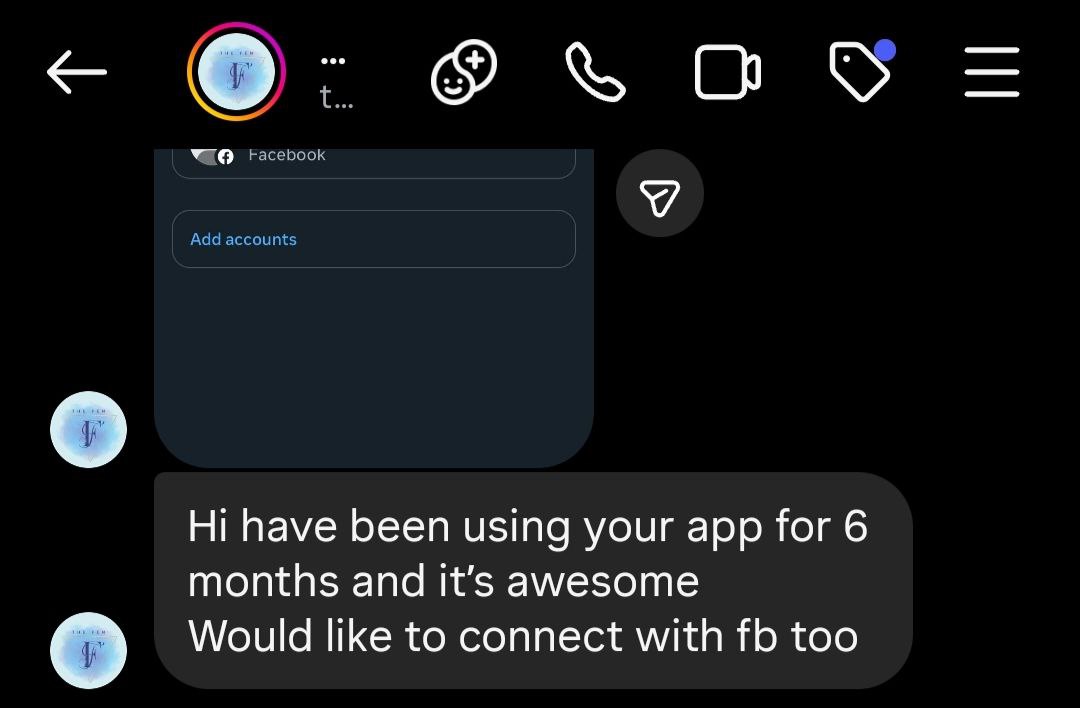
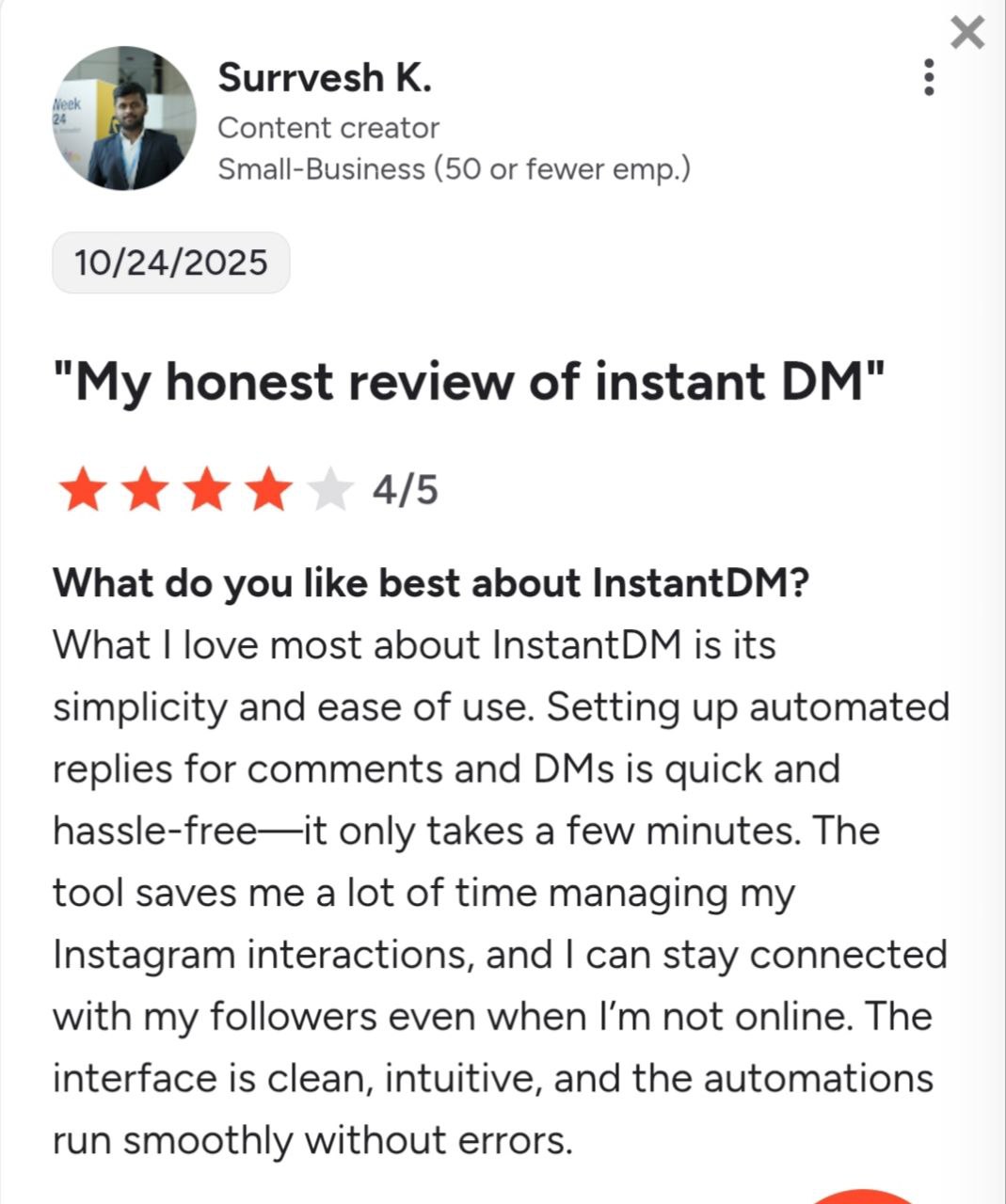
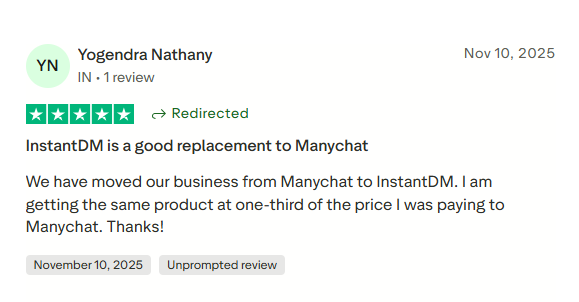
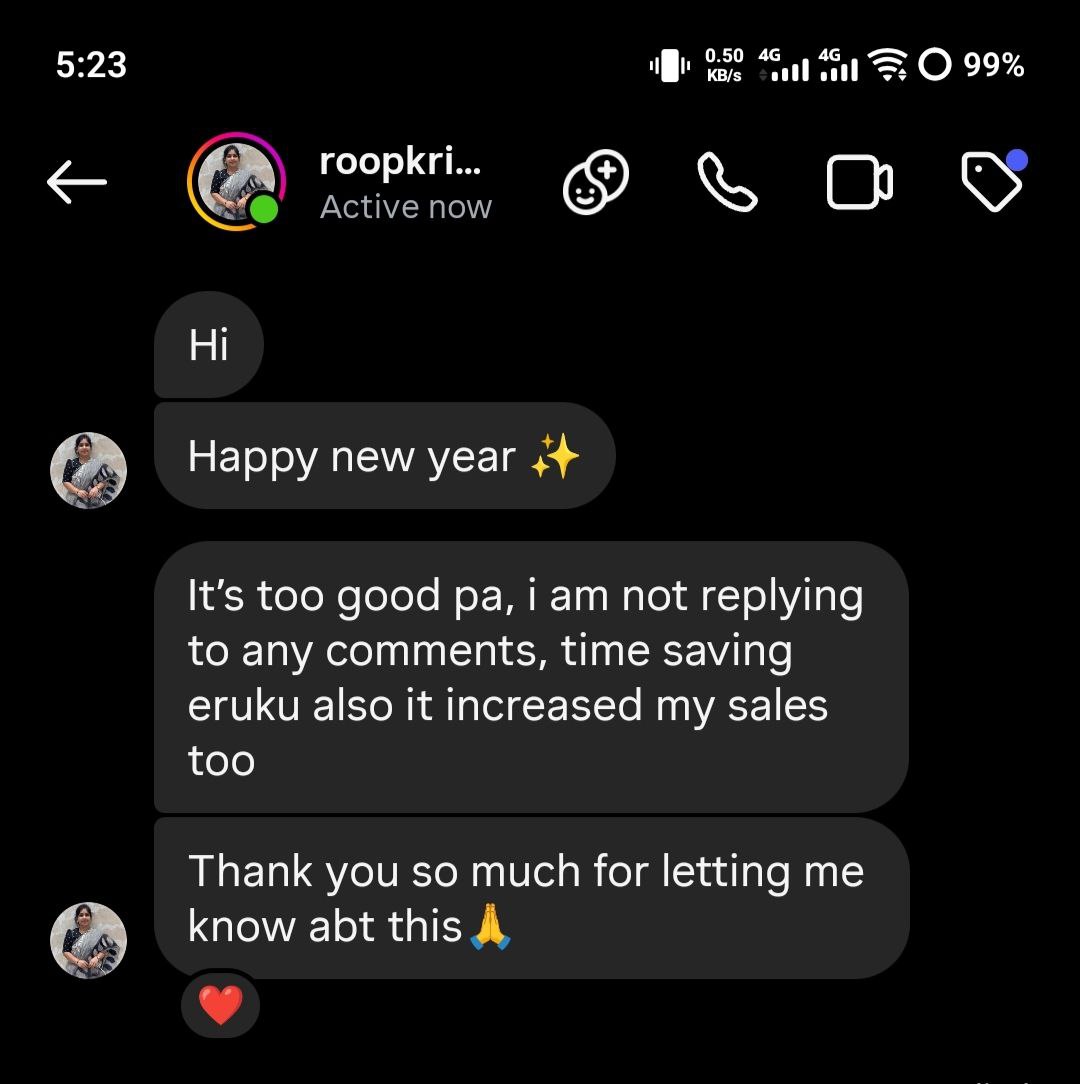
See what creators and brands are saying about InstantDM
Join 30,000+ creators and brands using InstantDM today.
Get Started NowAny support required, we're just one click away.