TL;DR:
- Influencer marketing in 2026 has moved well beyond sponsored posts and #ad hashtags.
- The creators earning real money have figured out one thing: Reels get the attention, but DMs close the deal.
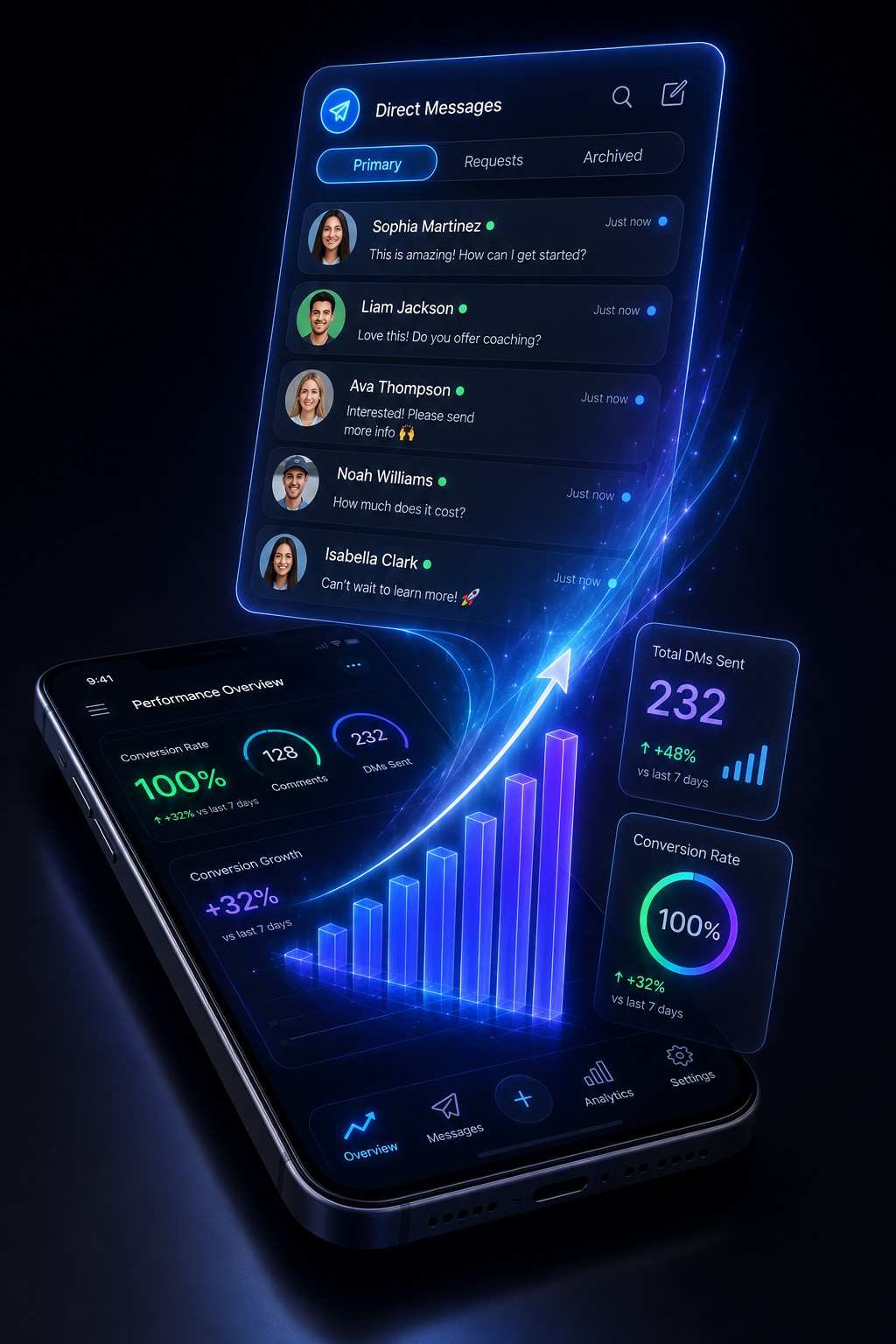
- This guide covers everything from building a monetisation-ready profile and landing brand deals to automating your entire lead capture and follow-up system using Instagram DMs.
- We will also look at how tools like InstantDM, an official Meta Business Partner, help creators at every level turn engagement into a repeatable revenue stream, without manually responding to hundreds of messages every day.
Introduction
Influencer marketing in 2026 is not what it was three years ago. The rules have changed, the money has shifted, and the creators who are thriving today are operating with an entirely different playbook than the ones who built their careers on static feed posts and one-size-fits-all brand deals. If you're still measuring your success by follower count and engagement rate alone, you're already behind.
The platforms have matured. The audiences have matured. Brands have finally figured out how to measure ROI from creator partnerships instead of just counting impressions, and creators who can show real conversion data — not vanity metrics — are winning bigger deals, charging more, and building businesses that don't depend entirely on the algorithm cooperating.
What has emerged as the central currency of influencer marketing in 2026 is the direct message. Reels drive discovery. They get you in front of new audiences, generate saves and shares, and signal to Instagram that your content is worth distributing. But it's the DM conversation that actually moves money. The creator who understands how to bridge the gap between a viral Reel and a DM-based sales conversation has essentially unlocked a revenue system that works around the clock.
This guide is written for 2026. Whether you're a creator looking to monetize more consistently, a brand trying to get better results from your influencer spend, or an agency building creator-driven campaigns at scale, you'll find a complete, practical roadmap here — from strategy and positioning all the way through automation and measurement.
1. What Influencer Marketing Actually Looks Like in 2026
The term 'influencer marketing' still carries baggage from the early days when it meant little more than paying someone with a large following to post a picture with your product. That model still exists, but it's no longer the dominant or most effective form of the practice. In 2026, the brands and creators generating the best results are operating something closer to a performance marketing partnership than a traditional endorsement.
The Shift From Reach to Conversion
Brands have wised up. The era of paying a flat fee for a post and hoping for the best is largely over for serious budgets. In 2026, the most competitive brands are structuring influencer deals around performance metrics — cost per click, cost per lead, cost per acquisition. This doesn't mean every deal is commission-based, but it does mean that creators who can demonstrate real conversion data consistently command significantly higher rates than those who can only offer reach and impressions.
For creators, this shift is actually an opportunity. If you can show a brand that your audience buys — that a Reel you post generates a measurable spike in traffic, leads, or sales — you are no longer competing on follower count. You're competing on results. A creator with 50,000 engaged followers who converts reliably is worth more to a smart brand than one with 500,000 passive ones.
The Rise of the Nano and Micro Influencer
The most significant structural shift in influencer marketing over the past two years is the dramatic rise of nano (1,000–10,000 followers) and micro (10,000–100,000 followers) influencers as the backbone of effective creator campaigns. These creators typically have higher engagement rates, more trust with their audiences, and lower costs per partnership than macro influencers or celebrities. Brands running multi-creator campaigns across dozens of micro influencers consistently outperform single large-influencer deals in terms of conversion efficiency.
Content Formats That Drive Revenue in 2026
Reels are still the dominant organic reach format on Instagram in 2026, and they remain the primary tool for creator-brand partnerships. But the Reels that perform best commercially aren't the polished, over-produced ones — they're the ones that feel native, educational, or entertaining while naturally weaving in a product or service recommendation. Short-form demonstration videos, day-in-the-life content featuring a product, and tutorial-style Reels that solve a specific problem all significantly outperform obvious promotional content in terms of both reach and conversion.
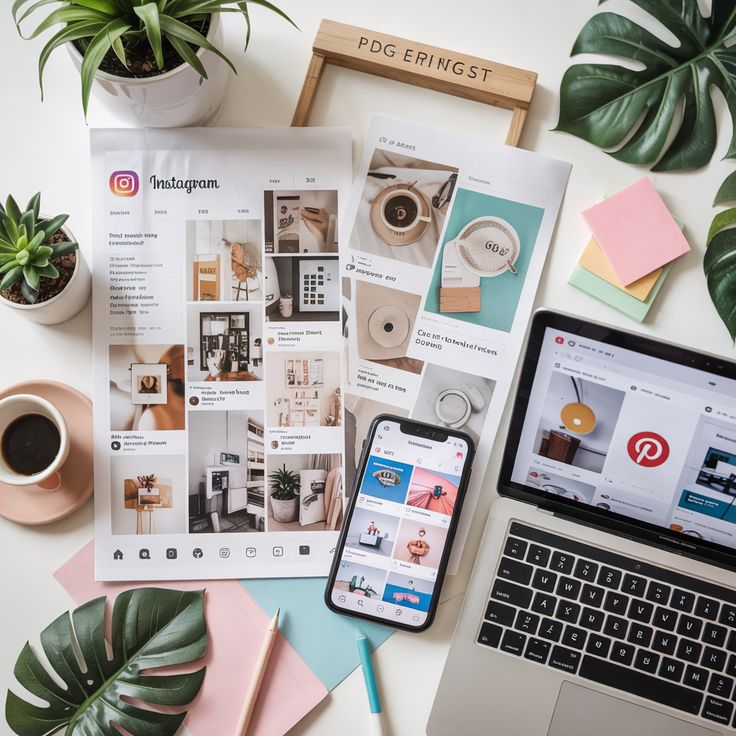
Header image for Aspire's guide detailing the top influencer marketing strategies and trends for 2026.”
2. Building a Monetization-Ready Creator Profile
Before any brand is going to take you seriously as a partner, and before your audience is going to trust your recommendations enough to act on them, your profile needs to communicate credibility and clarity. This is foundational work that most creators skip, and it shows in their pitch response rates and their conversion numbers.
Your Bio as a Landing Page
Your Instagram bio has roughly three seconds to tell a stranger exactly who you are, who you help, and what they should do next. In 2026, the most effective creator bios follow a simple structure: a clear descriptor of the niche (not just a job title), a specific value proposition for the audience, and a clear call to action with a link. 'Fitness Coach | Helping busy parents get strong in 30 min/day | DM PROGRAM for my 8-week plan' is infinitely more effective than 'Personal Trainer | Fitness Enthusiast | DM for collabs.'
The Link Strategy
The link in your bio is one of the most underutilized assets on a creator's profile. In 2026, a smart link strategy doesn't just point to one destination — it routes different types of visitors to different places based on what they're looking for. A creator selling a course, running affiliate partnerships, and taking brand collaboration inquiries should have a link page that addresses all three audiences with clear separate paths. This increases conversion across all revenue streams simultaneously.
Story Highlights as Social Proof
Brands reviewing a creator's profile before a partnership decision will almost always look at Story Highlights. This is where your social proof lives. Dedicate highlights to testimonials from your audience, past brand partnerships (with permission), content categories that define your niche, and FAQs about working with you. A well-organized set of highlights tells the brand's marketing team everything they need to know about your professionalism and your audience relationship in under two minutes.
3. Finding and Landing Brand Deals in 2026
Landing brand deals has always been part pitching, part positioning, and part relationships. What's changed in 2026 is that the barrier to finding brand partners has dropped dramatically while the competition for quality deals has increased. Knowing where to look, how to approach, and what to say when you get in front of a decision-maker makes all the difference.
Inbound vs. Outbound Strategies
Most creators wait for brands to find them. That's a passive strategy that works eventually for people with large followings but leaves smaller creators waiting indefinitely. The most effective creator businesses in 2026 combine an inbound strategy (content that demonstrates authority, consistent posting, a professional media kit) with a direct outbound approach (proactive pitching to brands in their niche).
For outbound, the process looks like this: identify 20 to 30 brands in your niche that align with your audience and values, research their current marketing activity, build a targeted pitch email that references their specific campaigns and explains exactly how your audience is the right fit, and follow up exactly once five to seven days later if you don't hear back. The pitch email should be short — four to six sentences maximum, with a link to your media kit. Decision-makers at brands receive dozens of creator pitches per week. The ones that get read are specific, brief, and data-led.
Your Media Kit in 2026
A media kit is your sales document, and it needs to be updated and positioned for 2026 expectations. Beyond the basics (follower count, engagement rate, audience demographics), brands in 2026 want to see conversion data. Include examples of past partnerships with documented results: click-through rates, lead generation numbers, sales data if available. If you have a comment-to-DM automation running, your click rates from DM-delivered links are highly compelling data points to include — they demonstrate that your audience takes action, not just likes photos.
What Brands Actually Care About
Having spent time researching what marketing teams at consumer brands consistently say about their influencer selection criteria in 2026, a clear pattern emerges. They care about audience quality over quantity, content authenticity over production value, niche alignment over broad appeal, and — increasingly — a creator's ability to deliver measurable actions from their audience. A creator who can say 'my last three partnerships generated an average of 340 DM-to-click conversions each' has a fundamentally stronger pitch than one who can only say 'my posts average 5% engagement.'
4. How Reels Drive Discovery and Set Up the DM Conversion
The Reel-to-DM pipeline is the most important content marketing concept for creators and influencer marketers in 2026. Understanding how each piece of content serves a specific function in the conversion journey — and designing your content with that function in mind — is what separates creators who earn from creators who just post.
The Three Types of Reels You Need
Not every Reel serves the same purpose, and trying to Make every piece of content do everything at once is a mistake. The three Reel types that consistently drive both reach and revenue are: discovery Reels, trust Reels, and conversion Reels.
Discovery Reels are designed for algorithm distribution — they prioritize broad appeal, shareable hooks, and entertainment or educational value that resonates with people who don't know you yet. Trust Reels are for the audience that found you through discovery content — they're more personal, more specific, and they demonstrate expertise, values, or real results. Conversion Reels are the bridge between the platform and the DM — they include a clear call to action asking people to comment a keyword or reply to receive something specific.
The Hook That Stops the Scroll
In 2026, the average Instagram user scrolls past hundreds of pieces of content per session. The first 1.5 seconds of your Reel determines whether anyone watches the rest of it. The hooks that work best are specific and promise immediate value ('I spent six months testing this before I told anyone'), curiosity-based ('The brand strategy that 99% of creators get wrong'), or pattern-interrupting in a visual or auditory way. Generic openings that start with your face centered in frame and a slow zoom while music plays have been so overdone that audiences now skip them reflexively.
Building the CTA Into the Content, Not Onto It
A call to action that feels bolted onto the end of a Reel ('Link in bio!' at the 15-second mark) performs poorly in 2026. The most effective CTAs are woven into the content itself — the video naturally builds toward a point where the next step is the obvious action. 'If you want the exact script I use for this, comment SCRIPT and I'll DM it to you' lands well because it feels like a natural continuation of what the creator was already sharing, not an interruption for a sales pitch.
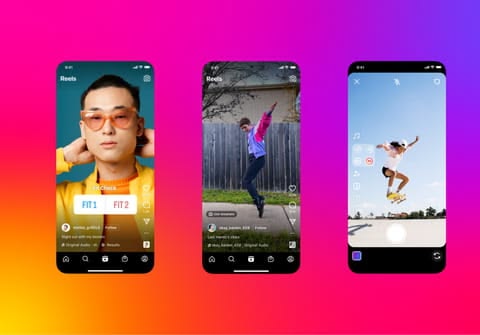
Header image for Elev8or's Complete Guide to Influencer Marketing in 2026.
5. The DM as a Revenue Channel: Why Direct Messages Are the New Sales Floor
Think about the last time you messaged a brand or creator directly on Instagram. You were almost certainly more engaged, more curious, and further along in a buying decision than the average person scrolling their feed. DMs represent the highest-intent touchpoint on the platform. When someone makes the effort to initiate or respond to a DM conversation, they are telling you something important about their level of interest.
The Intimacy Advantage
DMs feel fundamentally different from public posts, comment sections, or even email. They carry the same psychological weight as a private conversation. When you respond to someone in a DM — or when an automation does it on your behalf in a way that feels personal — the interaction lands with a level of intimacy that advertising simply cannot replicate. This is why conversion rates from DM-delivered links consistently outperform link-in-bio traffic across virtually every niche and every category of offer.
Mapping the DM Conversion Journey
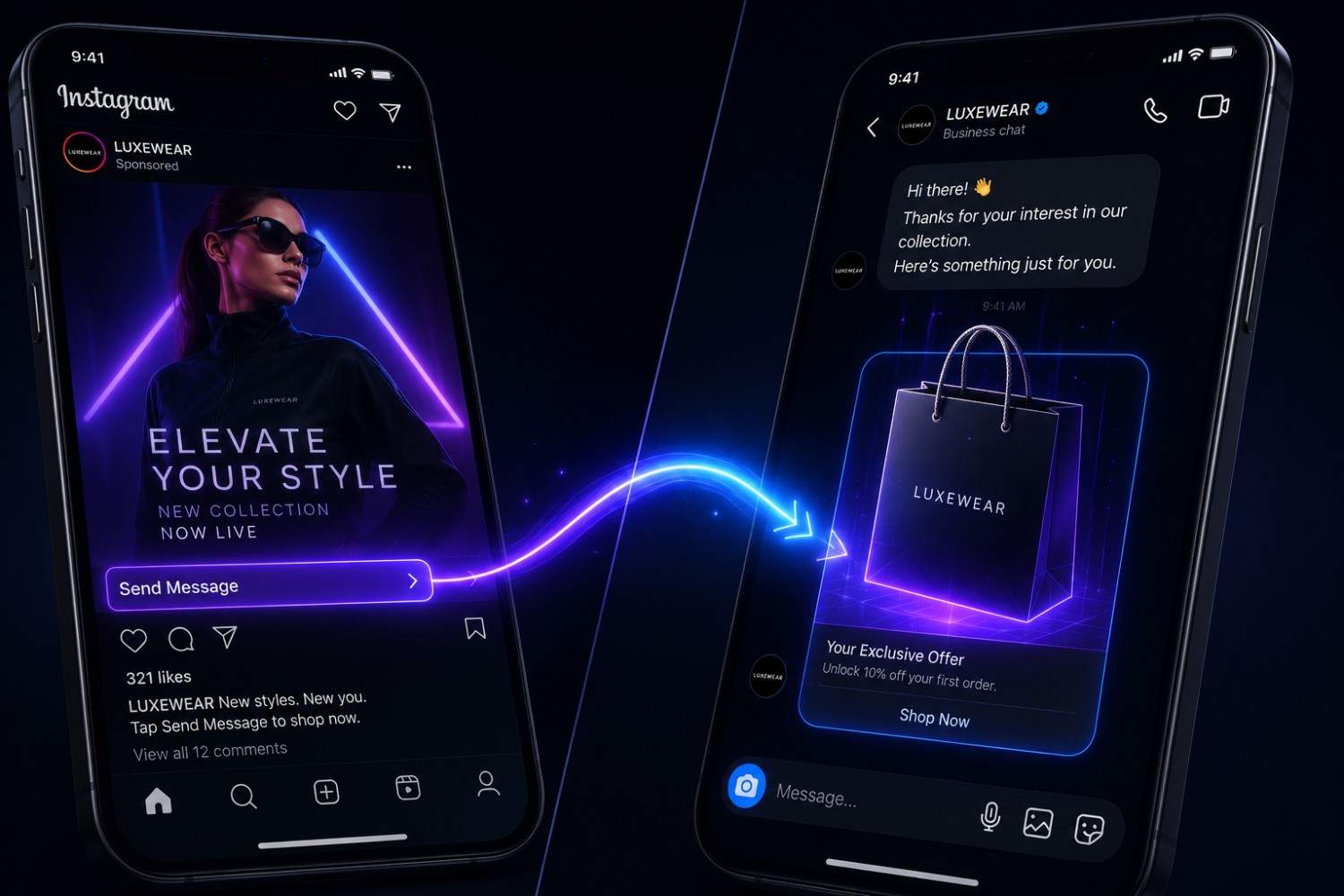
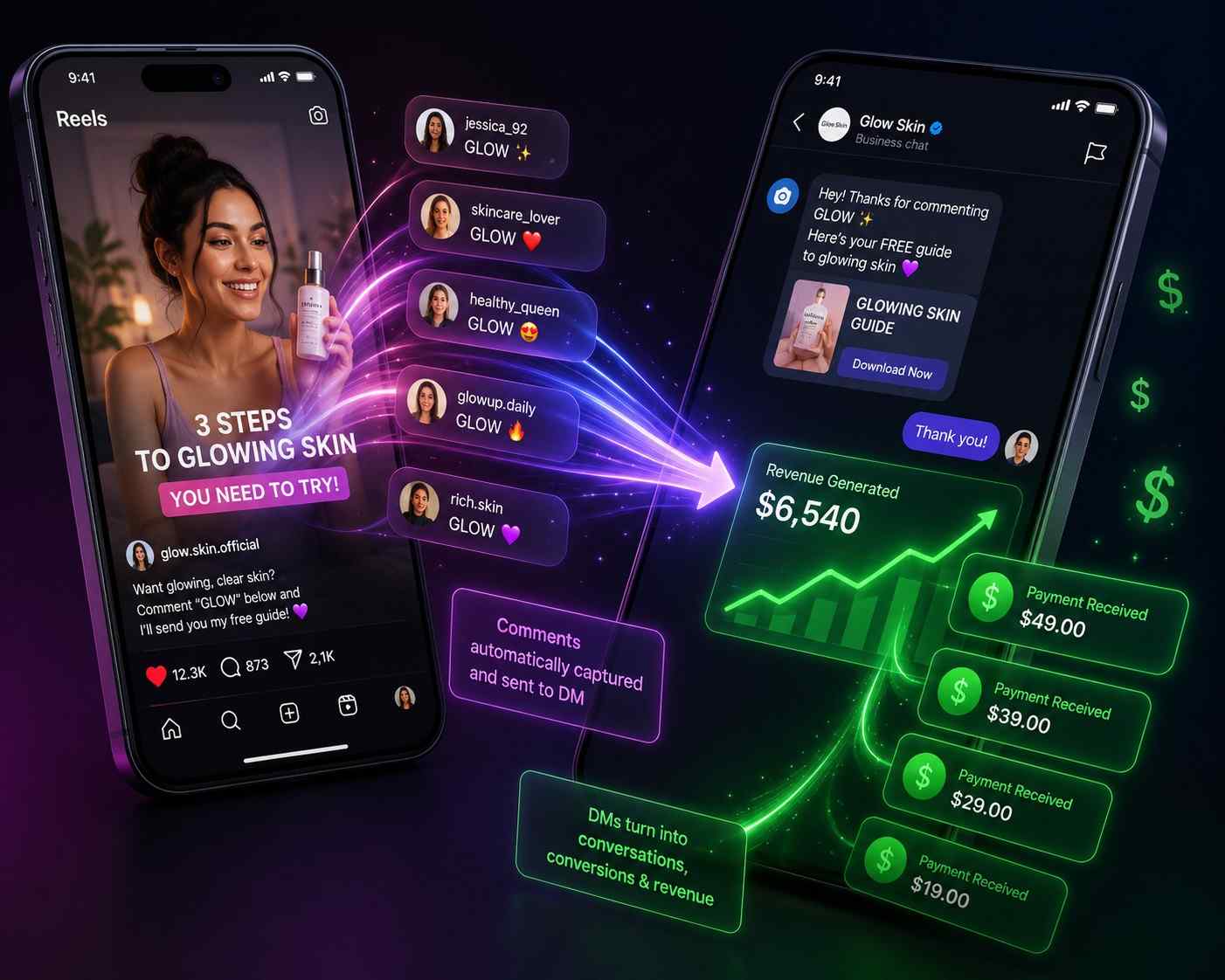
For creators using DMs as a sales channel, the typical conversion journey looks like this: someone watches a Reel and comments a keyword, they receive an immediate DM with the promised resource or link, they click the link and land on a product or lead capture page, they receive a follow-up DM 24 to 48 hours later if they haven't completed the desired action, and a second follow-up goes out at the 72-hour mark with either additional value or a soft urgency prompt. Creators who have mapped and automated this full journey report conversion rates that are three to five times higher than sending the same audience to a link-in-bio page with no DM follow-up.
Building Trust Before the Pitch
The biggest mistake creators make in DM-based selling is going straight to the offer too quickly. Even when someone has expressed interest by commenting a keyword, they may not yet be ready to buy. A DM conversation that delivers genuine value first — a helpful resource, an answer to a question, a piece of content they asked for — and then moves toward a commercial offer after establishing trust will outperform a DM that opens directly with pricing and a payment link every single time.

6. Revenue Streams for Influencer Creators in 2026
The creators who are financially resilient in 2026 are not dependent on a single income stream. The algorithm changes, brand budgets fluctuate, and any single revenue source — whether it's brand deals, affiliate income, or digital product sales — can dry up unpredictably. Building multiple streams is not optional for serious creator businesses.
Brand Partnerships and Sponsored Content
Still the largest revenue category for most influencers, brand partnerships in 2026 range from one-off sponsored posts to long-term ambassador relationships where a creator is integrated into a brand's marketing calendar for months at a time. Long-term ambassadorships are significantly more valuable on both sides — the brand gets consistent messaging from a trusted voice, and the creator gets predictable income and the ability to genuinely integrate a product into their content naturally over time.
Affiliate Marketing With Real Conversion Tracking
Affiliate marketing is experiencing a renaissance in 2026 because the tools to track conversions from Instagram have improved dramatically. Unique promo codes, trackable links, and DM-delivered affiliate offers all provide clear attribution. A creator who drives 400 purchases per month from a 10% affiliate commission on a $100 product is earning $4,000 per month from a single partnership — and that scales with content volume and audience growth without requiring new pitches or negotiations.
Digital Products and Course Sales
For knowledge-based creators, digital products are the highest-margin revenue stream available. A course, ebook, template, or resource that you build once can sell indefinitely. The key to digital product success in 2026 is not the product itself — most creators build good enough products. The gap is in the distribution and the sales system. Creators who pair strong Reel content with a DM-based funnel that delivers a free sample, captures an email, and then runs an automated email sequence to close the sale consistently outperform those relying on link-in-bio traffic alone.
Community Subscriptions and Paid Access
Subscription-based income — whether through Instagram's native subscription feature, a Patreon, or a private community platform — provides the recurring revenue that makes creator businesses genuinely stable. DMs are particularly effective for converting followers into paid community members, because the conversation can address specific hesitations and explain the value of membership in a way that a static post cannot.
7. Influencer Revenue Streams in 2026: Comparison at a Glance
Use this table to understand the trade-offs between the main revenue models available to creators in 2026:
| Revenue Stream | Income Type | Scalability | DM Integration | Entry Barrier | Avg. Monthly Range |
|---|---|---|---|---|---|
| Brand Deals (one-off) | Active | Low | Medium | Low-Medium | $200 – $10,000+ |
| Brand Ambassadorships | Active/Recurring | Medium | Medium | Medium | $500 – $20,000+ |
| Affiliate Marketing | Passive/Active | High | Very High | Low | $100 – $5,000+ |
| Digital Products / Courses | Mostly Passive | Very High | Very High | Medium | $300 – $30,000+ |
| Community Subscriptions | Recurring | High | High | Medium | $200 – $15,000+ |
| Coaching / Services | Active | Low-Medium | Very High | Low | $500 – $10,000+ |
| UGC Creation (unlicensed) | Active | Medium | Low | Low | $150 – $3,000+ |
8. How to Negotiate Influencer Deals That Actually Pay What You're Worth
Underpaid and undervalued — two words that describe the majority of creators who are otherwise doing everything right. Negotiating better deals is a skill, and it's one that most creators have never been taught because no one in the industry particularly benefits from teaching you. Here's how it actually works.
Know Your Numbers Before the Conversation Starts
You cannot negotiate effectively without knowing your baseline value. Before you respond to any brand inquiry, calculate your cost-per-engagement, your average story view-to-swipe rate, your Reel reach relative to your follower count, and — if you have it — your DM-to-click conversion rate from past campaigns. These numbers are your negotiating foundation. A brand that wants to pay you $200 for a Reel that you know reaches 15,000 non-followers per post is a brand that doesn't understand your value yet. It's your job to educate them with data.
The Bundled Package Approach
Single posts are the weakest negotiating position. Brands that want one post are often testing the waters with a small budget and minimal commitment. Instead of quoting per-post rates, package your offerings into bundles: a Reel plus two Story frames plus a 30-day evergreen inclusion in your link page. Bundles are harder for brands to price-compare against a competitor creator's rates, they increase your total deal value, and they give you more creative control over how the partnership story is told across multiple touchpoints.
The Follow-Up Window
Most creators who don't get a response to their pitch or their counter-offer assume the deal is dead. In reality, the majority of brand partnership decisions involve multiple stakeholders, approval processes, and budget cycles that operate on timelines that have nothing to do with your email arriving in an inbox. Following up once, seven to ten days after your last communication, with a brief and professional message, closes a significant percentage of deals that would otherwise be lost simply to inertia.
9. Automating Influencer-Driven DM Campaigns With InstantDM
Here's the practical reality that most creators face once they start building a genuine Reel-to-DM pipeline: the manual version doesn't scale. A Reel that performs well might generate 200 comments in the first hour. If each of those comments represents a potential lead that needs a personalized DM response, you're physically unable to respond to all of them in time — and the 5-minute response window that separates a captured lead from a lost one closes fast.
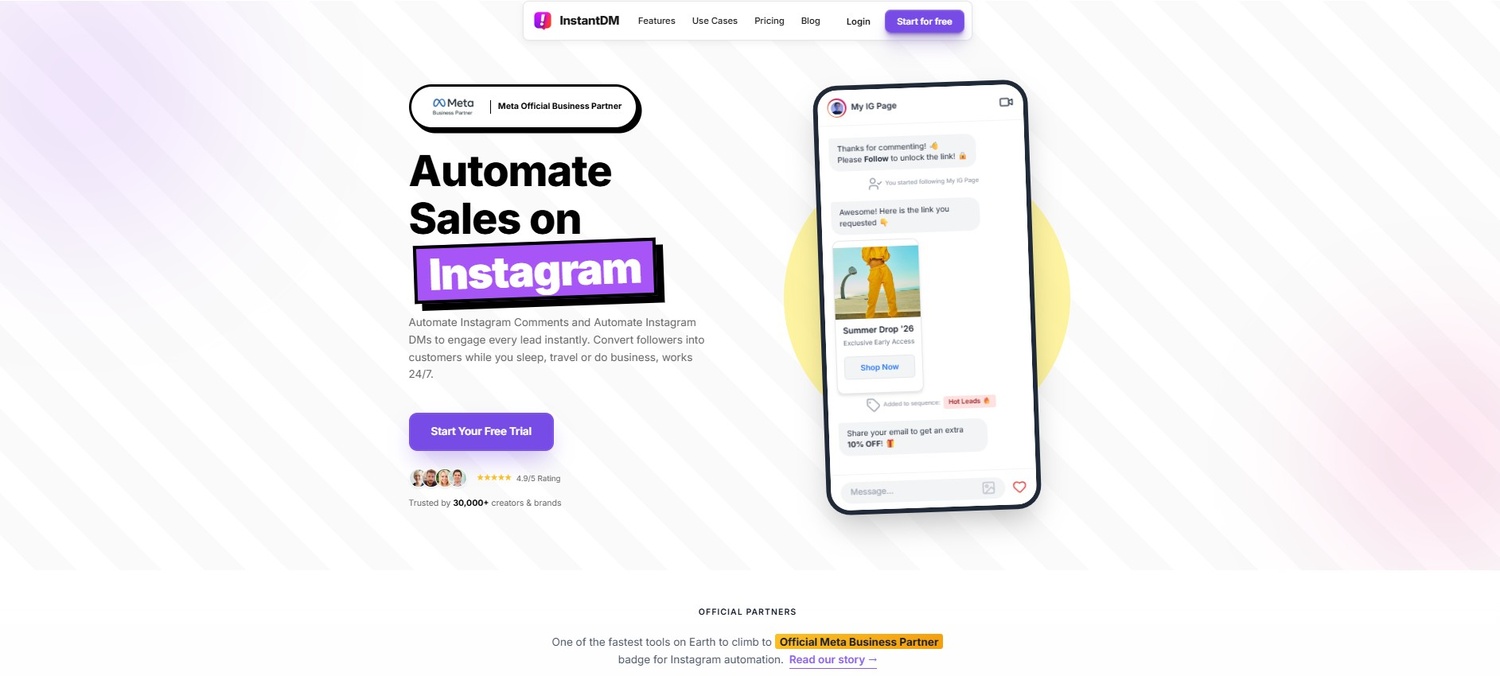
This is where automation tools purpose-built for Instagram's official API become the difference between a strategy that works in theory and one that generates consistent revenue in practice. InstantDM is an official Meta Business Partner — meaning it operates through Meta's approved API infrastructure — and it has been adopted by over 30,000 creators and brands precisely because it solves this scaling problem without requiring any technical skills to set up.
Comment-to-DM Automation: The Core Workflow
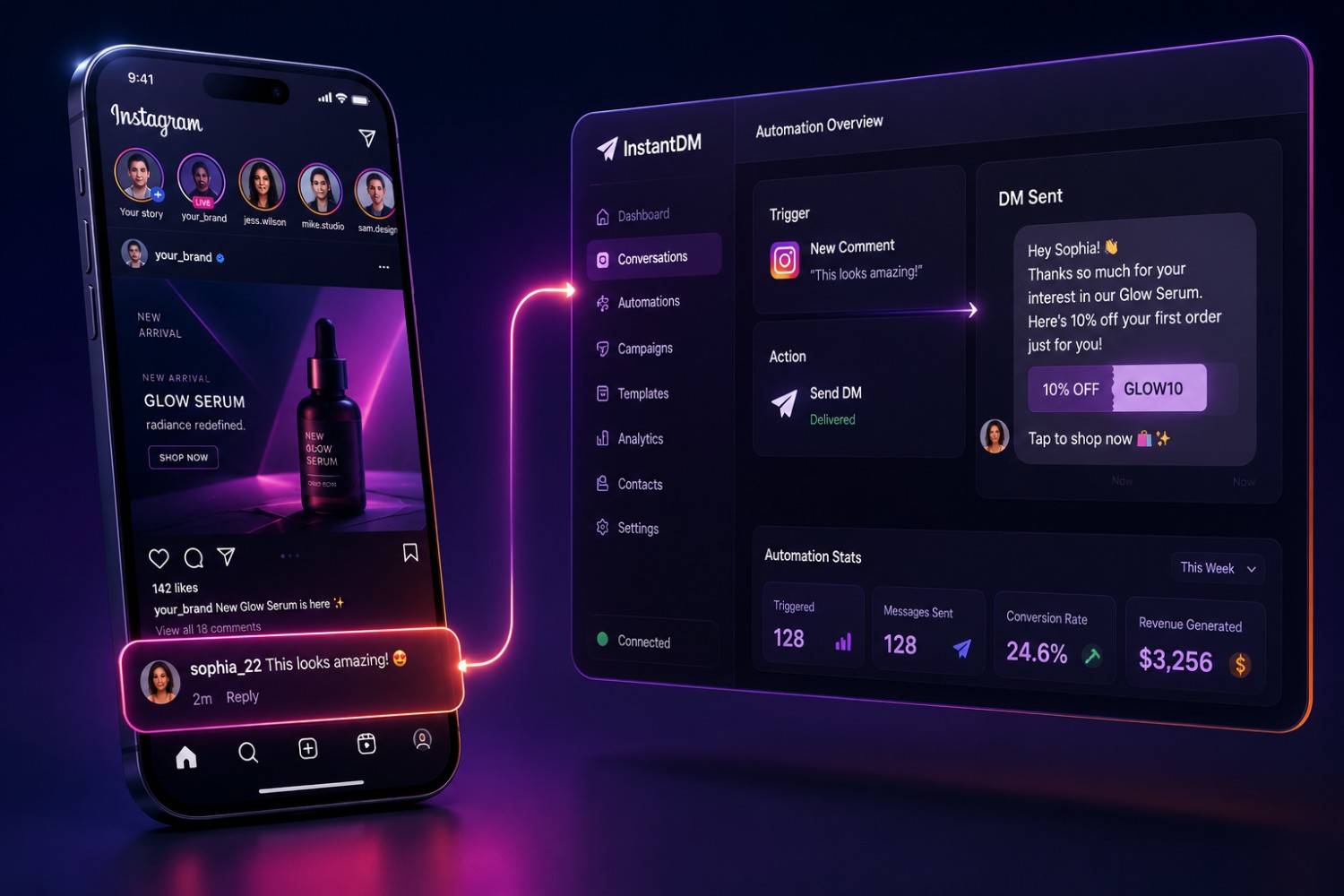
The foundational feature is straightforward. You set a keyword trigger on any post or Reel. When someone comments that keyword, they receive an automated DM with whatever you configure — a product link, a downloadable resource, a discount code, a question that starts a qualifying conversation. The DM lands within seconds. No waiting. No manual effort. No leads slipping through because you were asleep or filming content when the comments came in.
For influencer campaigns specifically, this creates a completely trackable conversion path. A creator posts a Reel featuring a brand partner's product and asks viewers to comment SHOP. Every comment triggers a DM with a unique affiliate link. The creator can see exactly how many DMs were sent, how many links were clicked, and what percentage of recipients took action. That's campaign-level performance data that most creator-brand partnerships have never been able to generate before.
Follow-Up Sequences That Nurture Without Nagging
InstantDM's automated follow-up message feature is what converts interested-but-not-quite-ready leads into buyers. After the initial DM, you can configure a sequence — say, a follow-up at 24 hours with a testimonial or piece of social proof, another at 72 hours with a soft urgency element ('just a heads up, this offer closes on Friday'), and a final check-in at seven days for high-ticket offers. The key is that these messages feel helpful rather than pushy. They add value at each touchpoint rather than just repeating the original pitch.
Story Reply Automation for Warm Audiences
Instagram Story replies are among the highest-intent interactions on the platform. When someone replies to your Story — especially a Story connected to a brand partnership or product promotion — they're signaling genuine interest. InstantDM's Story Reply Automation catches every story reply and triggers a customized DM response, collecting leads that would otherwise disappear when the story expires. For influencer campaigns where a brand provides a story frame as part of the partnership deliverables, this feature alone can dramatically increase the lead yield from what is otherwise one of Instagram's most underutilized conversion touchpoints.
Email and Phone Collection Inside the DM
Building an email list from Instagram DMs is one of the highest-value activities a creator can engage in, because it gives you a channel to your audience that doesn't depend on the Instagram algorithm. InstantDM's lead generation flow asks for and validates an email address or phone number inside the DM conversation, then syncs the collected contact to whatever CRM or email marketing platform you use through Make.com, Zapier, or direct API connection. A creator running a brand partnership can simultaneously capture email leads from the campaign — building their own list while delivering results for the brand.
Collab Post Automation: Unlocking Partner Audiences
For influencer-brand collabs specifically, InstantDM offers something genuinely differentiated: Collab Post Automation. When a brand and a creator post a collaboration post on Instagram — the type that appears on both accounts simultaneously and reaches both audiences — the automation can trigger DMs from comments made by either account's followers. This means the creator isn't just capturing leads from their audience; they're also capturing leads from the brand's followers who discover the creator through the collab. For audience-building campaigns, this approach effectively doubles the lead generation surface of every collaboration post.
Safety, Compliance, and Account Protection
For creators and brands who have heard horror stories about Instagram accounts getting restricted after using automation tools, the distinction between official API automation and unauthorized bots cannot be overstated. InstantDM runs exclusively on Meta's official API. It never asks for your password. It never scrapes your followers or accesses data outside of what Meta's API explicitly permits. The Advanced Safety Mode in the Trendsetter plan monitors comment velocity in real time — if a Reel goes viral and comments spike, the system automatically spaces out DM delivery at human-safe intervals, protecting your account from action blocks while still delivering every single message.
10. What InstantDM Offers Influencer Creators: Feature Snapshot
| Feature | What It Does for Influencer Campaigns |
|---|---|
| Comment to DM Automation | Auto-delivers product links, codes, or resources when viewers comment a keyword on any Reel or post |
| Story Reply Automation | Captures every story reply and triggers a customized DM, turning ephemeral story content into leads |
| Follow-Up Messages | Sends automated nurture sequences over 1–7 days to convert warm leads who didn't act immediately |
| Collab Post Automation | Runs DM triggers on collaboration posts, capturing leads from both creator and brand audiences |
| Email / Phone Collection | Validates and collects contact data inside the DM, syncs to CRM or email platforms automatically |
| Live Comment Automation | DMs product links to viewers who comment keywords during Instagram Live broadcasts |
| Schedule Post + AutoDM | Sets up post and automation trigger in one workflow — automation is live from the first second |
| Universal Triggers | One keyword configuration works across Posts, Stories, and DMs simultaneously |
| Advanced Safety Mode | Detects comment spikes and spaces DM delivery to protect account from action blocks |
| Instagram AI Agent | Claude-powered agent handles full DM conversations, qualifies leads, and manages follow-ups autonomously |
| Facebook Sync | Copies Instagram automation to Facebook Pages in one click — doubles the lead capture surface |
| Auto Tag Contacts | Tags leads automatically based on actions and responses for segmentation and targeted follow-up |
11. Measuring Influencer Campaign Performance the Right Way in 2026
One of the most persistent problems in influencer marketing has been measurement. For years, brands accepted metrics like impressions, reach, and engagement rate as proxies for campaign value because they had nothing better. In 2026, with tools that provide real click data from DM-delivered links, email collection counts, and full funnel tracking, there is no excuse for measuring influencer campaigns by reach alone.
The Metrics That Actually Predict Revenue
A comment-to-DM conversion rate tells you what percentage of commenters completed the keyword trigger and received your DM. DM open and click rates tell you how many recipients actually engaged with the message. Lead capture rate tells you how many DM recipients provided an email or phone number. And downstream conversion rate tracks what percentage of those leads completed a purchase or booked a call. Each of these metrics is available through modern automation platforms and together they paint a complete picture of campaign ROI that no impression count can replicate.
Setting Up Attribution From Day One
The creators who have the most use in brand deal negotiations are the ones who can pull up a spreadsheet or dashboard showing their last five campaigns' performance metrics by the time a brand meeting starts. Build the habit of tracking this data from the very first campaign. Use unique UTM parameters for every link you include in a DM flow. Use different promo codes for different partnerships. Connect your automation platform to a Google Sheet that automatically logs every lead generated. After six months of doing this consistently, you have a data asset that is genuinely competitive.
Reporting to Brands That Impresses
At the end of every brand partnership, send a one-page performance report. Include Reel reach and engagement, comment volume, DM delivery count, click-through rate, and any downstream conversion data you have visibility into. Brands that receive this level of reporting from a creator almost always bring that creator back for a second campaign because they can justify the spend internally. Brands that received only a screenshot of your engagement rate with no additional data often can't get budget approval for a repeat partnership regardless of how much they personally liked the content.
12. Building a Scalable Influencer Marketing System as a Creator
Sustainable influencer income doesn't come from chasing individual deals — it comes from building a system where the components reinforce each other continuously. Reels build reach. Reach generates DM conversations. DM conversations capture leads. Leads convert to sales. Sales data improves your pitch. Better pitches land better deals. Better deals fund better content. And the cycle repeats.
The Content Calendar as a Revenue Calendar
Map your content calendar to your revenue calendar. Know which posts are designed for discovery and algorithm reach, which are designed to deepen trust with your existing audience, and which are designed to drive a specific commercial action — a product sale, an email signup, a booking. If you can't identify the revenue function of every piece of content you're planning to post, you're posting without a strategy.
Batching and Automation to Protect Your Time
The most efficient creators in 2026 batch their content creation into dedicated sessions rather than creating and posting reactively. They film a week or two weeks of content in a single day, schedule everything through their automation platform, set up all their keyword triggers and DM flows in one sitting, and then step back to let the system work. This protects creative energy, ensures consistency, and frees up time for the high-use activities that actually grow the business — new brand relationships, community engagement, and product development.
Delegation and Tools as Force Multipliers
At a certain scale, time becomes the binding constraint on creator business growth. The creators who break through this constraint are the ones who identify the tasks that genuinely require their unique voice and expertise – on-camera content creation, brand relationship management, and creative strategy – and delegate or automate everything else. DM responses, lead follow-up, email collection, lead tagging, campaign reporting — all of these can be handled by a well-configured automation system, freeing the creator to focus on the activities that actually differentiate their business.
Moburst blog post cover outlining the state of influencer marketing in 2026, highlighting critical trends, shifts in user behavior, and brand insights.
13. Agency and Brand Perspective: What to Look for in Influencer Partnerships in 2026
If you're on the brand or agency side of influencer marketing, the creator landscape in 2026 offers more options and more complexity than ever before. Here's what separates high-performing influencer partnerships from the ones that drain budget and produce little.
Prioritize Creator Systems Over Raw Metrics
When evaluating potential creator partners, look beyond follower counts and engagement rates to assess whether the creator has a real system for converting their audience. Do they use comment-to-DM automation? Do they have a lead capture flow? Do they collect emails from their audience? A creator with 40,000 followers who captures 200 emails per sponsored post is more valuable to most brands than a creator with 200,000 followers who sends traffic to a link-in-bio page and tracks nothing.
Long-Term Relationships Outperform One-Off Posts
The data consistently shows that brand mentions from a creator the audience has seen endorse a brand multiple times over months convert significantly better than a single sponsored post. Audiences are sophisticated — they can tell the difference between a creator who genuinely uses a product and one who is doing a one-time paid mention. Budget for ambassador-level relationships with fewer creators rather than scattering the budget across many one-off posts.
Give Creators Creative Freedom Within Your Brand Guidelines
One of the most consistent findings in influencer marketing research is that creator-generated content that follows the creator's natural voice and visual style performs dramatically better than highly produced content that feels like a traditional ad. Provide brand guidelines, key messages, and mandatory disclosures. Then get out of the way and let the creator do what their audience knows and trusts them for. Brands that over-direct their creator partners consistently get underperforming content.

14. Common Mistakes Influencer Marketers Make in 2026 (And How to Fix Them)
There's no shortage of ways to spend budget and effort on influencer marketing without seeing proportionate returns. These are the most common failure modes in 2026 and the fixes that actually work.
Optimizing for Vanity Metrics
Choosing a creator because they have a high like count or impressive follower numbers without validating conversion behavior is the single most common and most costly mistake brands make. A profile with 500,000 followers and a 2% engagement rate generates 10,000 engagements per post. A profile with 80,000 followers and a 12% engagement rate generates 9,600 engagements — essentially the same number — while costing a fraction of the price and typically delivering to a more invested, niche audience. Look at story swipe-up rates, DM response rates, and any sales data the creator can provide.
Not Having a DM Follow-Up Plan
A creator posts a sponsored Reel, viewers respond by DM-ing the brand or clicking a link, and then... nothing happens. No follow-up. No nurture sequence. The lead goes cold in 48 hours. This happens constantly, and it represents the largest single leak in most influencer campaign funnels. If you're paying for a creator to drive DM conversations, make sure you have an automated follow-up sequence ready to handle every one of those conversations from the moment the first message arrives.
Ignoring the Comment Section
The comment section of a sponsored creator post is a real-time focus group on your product and offer. Brands that monitor comments on creator posts and respond to questions or objections in real time consistently see better conversion rates than those that post and walk away. If a significant number of commenters are asking the same question about your product, that's a signal to address that objection directly in the next piece of content — or in the automated DM flow.
Treating Every Platform the Same
Instagram, TikTok, YouTube, and LinkedIn each have distinct audience behaviors, content formats, and conversion paths. A strategy that works well on Instagram Reels may perform completely differently on TikTok, not because the creator is less effective but because the platform audience behaves differently. In 2026, cross-platform campaigns need to be natively adapted for each platform, not repurposed with different logos.
15. The Future of Influencer Marketing: What's Coming in the Second Half of 2026 and Beyond
The pace of change in influencer marketing is accelerating. Here's where the most significant developments are heading.
AI-Powered Creator Assistants in DMs
The emergence of AI agents that can hold genuine, context-aware conversations inside Instagram DMs is changing what's possible at scale. Rather than a fixed decision tree that routes people based on keyword responses, an AI agent understands intent from natural language — 'How much is the program?' or 'Is this right for someone just starting out?' or 'Do you have a payment plan?' — and responds intelligently. InstantDM's A Claude-powered AI agent is already doing this, handling full lead qualification conversations, sending links at the right moment in the conversation, and escalating to a human agent when the situation requires it. For influencer campaigns, this approach means the post-comment lead capture process becomes fully autonomous and genuinely conversational.
Performance-Based Creator Deals Become the Norm
The tools to attribute sales and leads directly to specific creators and specific pieces of content have matured to the point where performance-based structuring is becoming standard for serious campaigns. Creators who understand how to demonstrate their conversion value will negotiate from a position of strength. Creators who can only offer reach data will increasingly find themselves competing on price alone — a race to the bottom that undermines the entire value of authentic creator endorsement.
Creator-Led Commerce as a Standalone Business Model
The line between influencer and entrepreneur is dissolving. In 2026, the most successful creators are not just distributing other brands' products — they are building their own brands, with their own products, and using influencer marketing techniques on their platforms to sell them. The skills that make someone good at influencer marketing — audience building, content creation, DM-based selling, and conversion optimisation — are exactly the skills required to build a direct-to-consumer brand. The creator who masters both sides of this equation has essentially built a vertically integrated media and commerce operation.
Conclusion
Influencer marketing in 2026 rewards systems thinkers. The creators who are building real revenue — not just impressive follower counts or engagement numbers — are the ones who understand that a Reel is not a finished product. It's the top of a funnel. It gets the right people's attention and gives them a reason to take one more step. That step, almost always, leads to a DM.
The DM is where trust is built, where objections are handled, where links are clicked and emails are collected and purchases are made. It's the most valuable real estate on the platform, and it's mostly empty because most creators don't have a system for filling it.
Building that system — great content, clear CTAs, automated comment-to-DM flows, smart follow-up sequences, and reliable data tracking — is not complicated. It's also not optional if you want to compete at the level of the top creators and brands. You can access the tools, the strategy has proven effective, and the opportunity is real.
Start with one Reel. Pick one keyword trigger. Set up one automated DM. See what happens in the first week. Then build from there. The results will show you exactly where to go next.